
What Is Product Photography? The Complete Guide to Professional Product Photography for eCommerce, Retail and Marketing
What Is Product Photography?
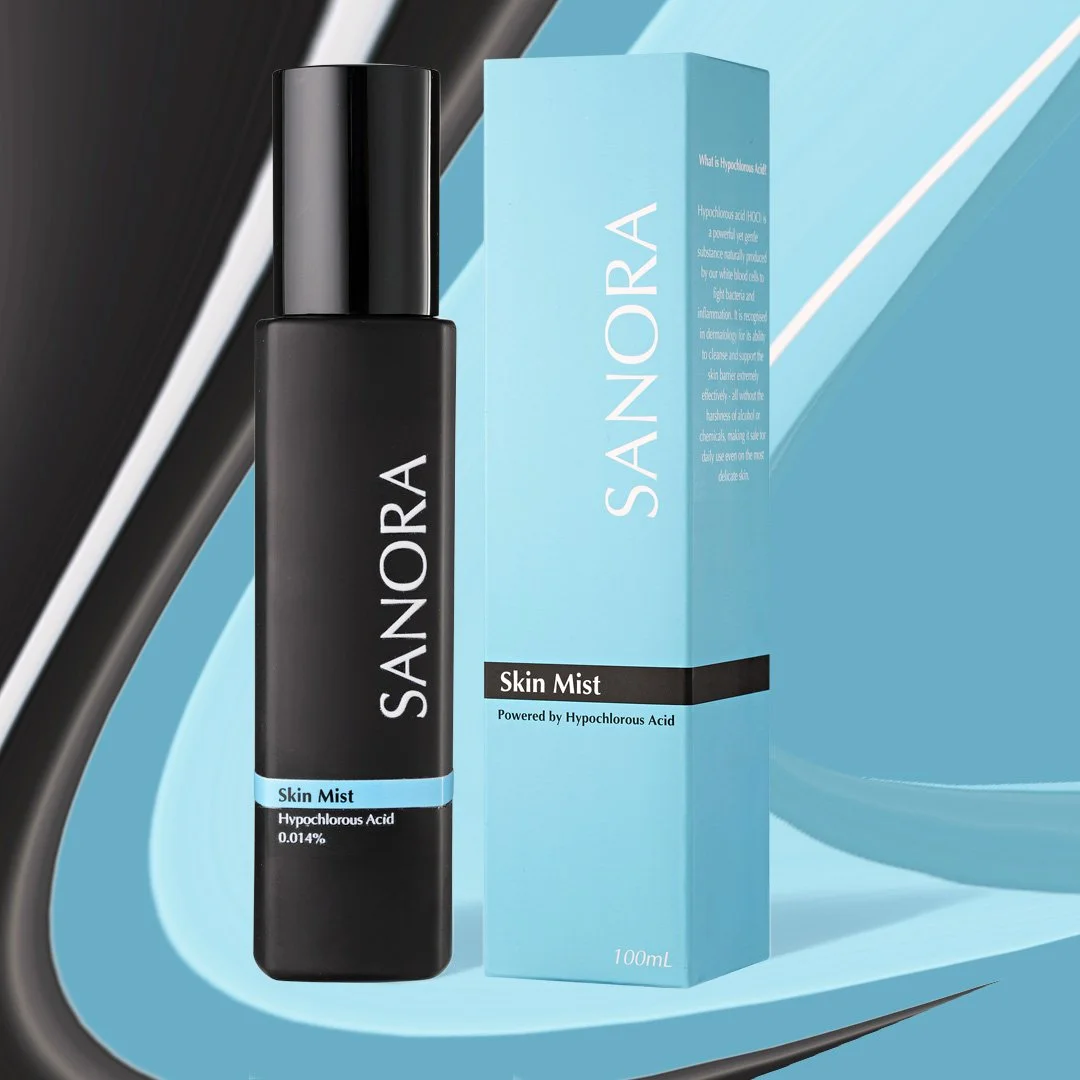
Product photography is the art and science of creating professional photographs that accurately showcase products for eCommerce websites, online marketplaces, advertising, catalogues, social media and marketing campaigns. The purpose of product photography is not simply to take attractive pictures, it is to present products in a way that accurately represents their appearance, highlights their features and helps customers make confident purchasing decisions.
In today's digital marketplace, customers cannot touch, hold or examine a product before purchasing. Instead, they almost entirely rely on product images to assess quality, colour, texture, size, materials and craftsmanship. Professional product photography bridges this gap by creating images that are informative, visually appealing and commercially effective.
Since 2004, Nikita Photography Studios has specialised in professional product photography, helping Australian businesses create high quality, consistent product images for eCommerce websites, online stores, catalogues, Amazon, Shopify, Google Shopping, marketplaces and digital marketing campaigns
What Is eCommerce Product Photography?
eCommerce product photography is product photography specifically created to help products be presented and sold online.
It is commonly produced for:
Shopify Stores
eCommerce Websites
Google Shopping
Amazon
eBay
Online Marketplaces
Retailer Websites
Digital Catalogues
Social Advertising
eMail Marketing
The photography needs to be visually appealing, but it also needs to be functional. A beautiful image that does not clearly explain the product may work as advertising, but it may not work as an eCommerce image. That distinction is important. For most online stores, we recommend thinking about product imagery as a system rather than a single photograph.
A complete image set might contain:
Hero image
Front view
Back View
Angle View
Close-up detail
Packaging
Styled or campaign image
The correct shot list depends on what a customer needs to know before buying.
The Purpose of Product Photography
Many people believe product photography is simply about making products look attractive. In reality, professional product photography has a much broader purpose.
Every image should:
Accurately represent the product
Highlight important features
Show colours realistically
Display textures clearly
Demonstrate scale and proportion
Maintain brand consistency
Encourage purchasing decisions
Professional product photography combines technical precision with commercial marketing objectives.
Why Is Product Photography Important?
Professional product photography is one of the highest return investments an eCommerce business can make. Whether you're selling through your own website, Shopify, Amazon, eBay, Etsy, Google Shopping or other online marketplaces, the quality of your product images directly influences how customers perceive your brand and whether they decide to make a purchase.
Unlike a physical retail store, online shoppers cannot touch, hold or inspect your products in person. Your product photography becomes your digital salesperson, providing customers with the visual information they need to evaluate quality, features, materials, colour, size and product before purchasing.
Research consistently shows that professional product images are one of the most influential factors in online buying decisions. Clear, professional photography helps shoppers feel confident that the product they receive will match what they see online. This confidence increases conversions while reducing uncertainty, abandoned carts and product returns.
Professional Product Photography Helps Your Business:
Create a strong customer experience
Build customer trust and purchasing confidence
Showcase product quality and fine details
Increase the perceived value of your products
Strengthen your brand identity and professionalism
Improve eCommerce conversion rates
Encourage customers to spend more time on your website
Reduce abandoned shopping carts
Minimise product returns through accurate product representation
Maintain consistency across your entire product catalogue
Increase engagement across Instagram, Facebook, Pinterest and other visual platforms
Support SEO by improving user experience, image search visibility and structured product content
Provide reusable marketing assets for catalogues, brochures, email campaigns and print advertising
Product Photography Influences Buying Decisions
Consumers make purchasing decisions within seconds of landing on a product page. Before reading the description or checking the price, they almost always look at the images first.
Professional product photography answers the questions customers naturally ask:
What does the product actually look like?
Is the colour accurate?
What materials is it made from?
How large is it?
What are the important features?
Does it appear premium and well made?
Can I trust this business?
When these questions are answered visually, customers feel more confident buying online. High-quality photography removes uncertainty, creates trust and makes purchasing easier.
Professional Photography Creates a Competitive Advantage
In today's competitive online marketplace, customers often compare multiple businesses selling similar products. Businesses that invest in professional photography consistently stand out against competitors using mobile phone images, inconsistent lighting or poorly edited photographs.
Premium imagery communicates professionalism, attention to detail and quality before customers read a single word. It positions your business as trustworthy and established while increasing the perceived value of your products. For many businesses, professional photography becomes a marketing asset that continues generating sales across websites, online marketplaces, social media, advertising campaigns, catalogues and printed marketing materials.
Better Images Deliver Better Business Results
Professional product photography is far more than creating attractive images, it's about helping your business sell more effectively.
When your products are photographed accurately, consistently and professionally, customers are more likely to trust your brand, understand what they're buying and complete their purchase with confidence. The result is measurable business benefits, including increased online sales, stronger brand recognition, improved customer satisfaction, fewer returns and higher marketing performance across every digital channel.
Types of Product Photography
Product photography is a broad category that encompasses a range of specialised photographic techniques, each designed for different products, platforms and commercial objectives. Different products and different marketing applications require different photographic techniques.
Here are the major types of professional product photography used by eCommerce businesses and retailers.
White Background Product Photography

White background product photography is one of the most common forms of eCommerce photography. Products are presented against a clean white or near white background with minimal visual distractions.
It is ideal for:
eCommerce stores
product category pages
Shopify
Google Shopping
retailer websites
online marketplaces
product catalogues
wholesale catalogues
The objective is to achieve clarity, consistency and visual continuity. Every product within a collection should follow the same photographic standards for lighting, scale, positioning, crop and background, creating a cohesive catalogue.
Is pure white always the best background? No.
White remains the standard background choice for many eCommerce applications, but it is not always the most effective option. Light grey, warm grey and off-white backgrounds can provide stronger edge definition and tonal separation for pale, transparent, highly polished or reflective products, while maintaining the clean, consistent presentation expected in professional eCommerce photography.
The correct background depends on:
Brand identity
Website design
Product colour
eCommerce Platform requirements
Intended use
A professional product photographer should consider the complete website rather than treating the background as an isolated decision.
Packshot Photography
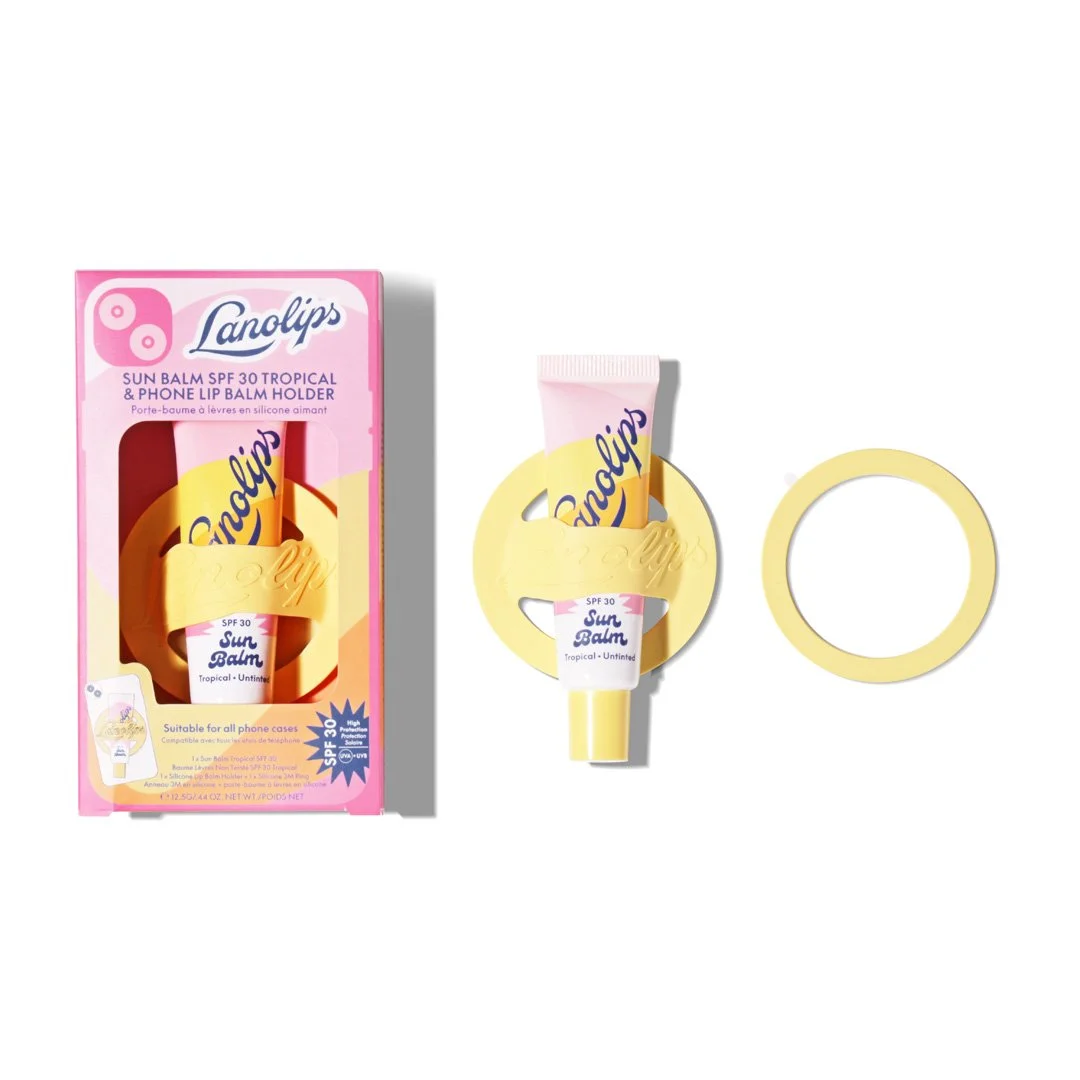
Packshot photography is clean, accurate photography of an individual retail product or its packaging.
Typical subjects include:
Skincare
Cosmetics
Bottles
Food packaging
Beverages
Supplements
Electronics
Boxes and packaging
Household products
Consumer goods
Packshot photography may appear visually simple, but it can be technically demanding. A highly reflective surfaces can capture reflections of the entire studio environment, requiring precise control of lighting, angles and surrounding surfaces. The photographer therefore uses controlled reflections deliberately to describe the shape of the object.
Styled Product Photography
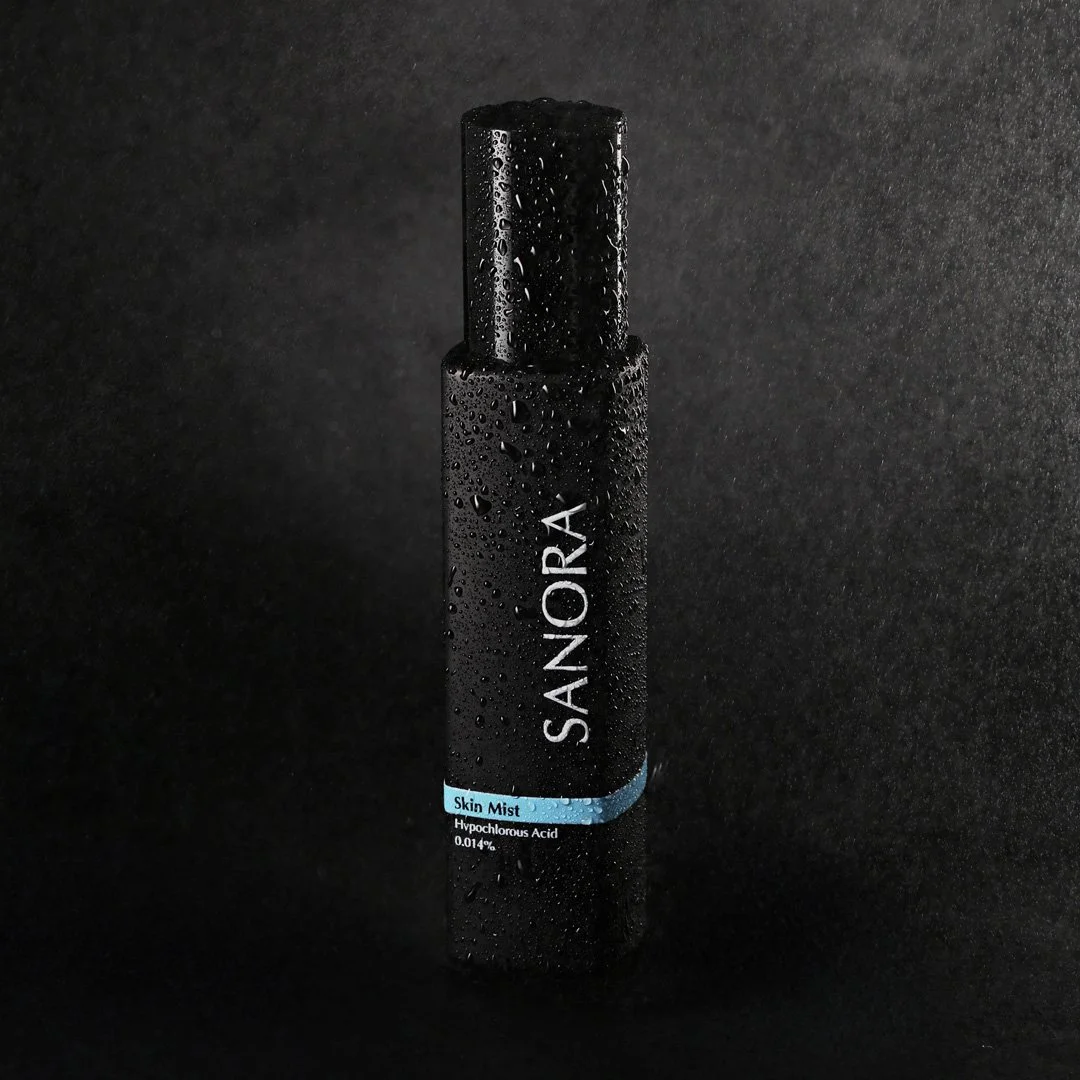
Styled product photography is a more creative approach to commercial product photography, designed to present a product within a carefully considered visual environment rather than against a plain studio background.
While traditional eCommerce product photography focuses primarily on clarity, consistency and accurate product representation, styled product photography adds art direction, composition and brand storytelling to the image. The aim is to create imagery that presents the product clearly while also expressing its brand identity, market positioning and overall visual appeal.
At a professional product photography studio in Sydney, styled product photography may involve the use of:
Seamless backgrounds
Architectural surfaces
Fabrics and textiles
Textured materials
Custom props
Reflective surfaces
Botanical elements
Sculptural forms
Geometric shapes
Bespoke Studio Set up
Custom backgrounds
Each element should be selected with a clear purpose. Props, surfaces and backgrounds should support the product and reinforce the visual identity of the brand without distracting from the product itself.
What Is Styled Product Photography Used For?
Styled product photography is commonly created for:
Advertising campaigns
Website banners
Homepage imagery
Product launches
Social media campaigns
eMail marketing
Editorial content
Lookbooks
Seasonal campaigns
Paid Digital Advertising
Brand presentations
Promotional material
Unlike standard white background product photography, styled imagery gives brands greater creative freedom. Lighting, colour, props, composition and surface selection can all be used to create a particular visual mood while keeping the product as the main focus.
For example, a jewellery brand may use stone, reflective surfaces or sculptural forms to emphasise the finish and detail of a piece, while a skincare brand may use water, natural textures or minimal architectural elements to communicate freshness, ingredients or premium positioning.
Jewellery Product Photography
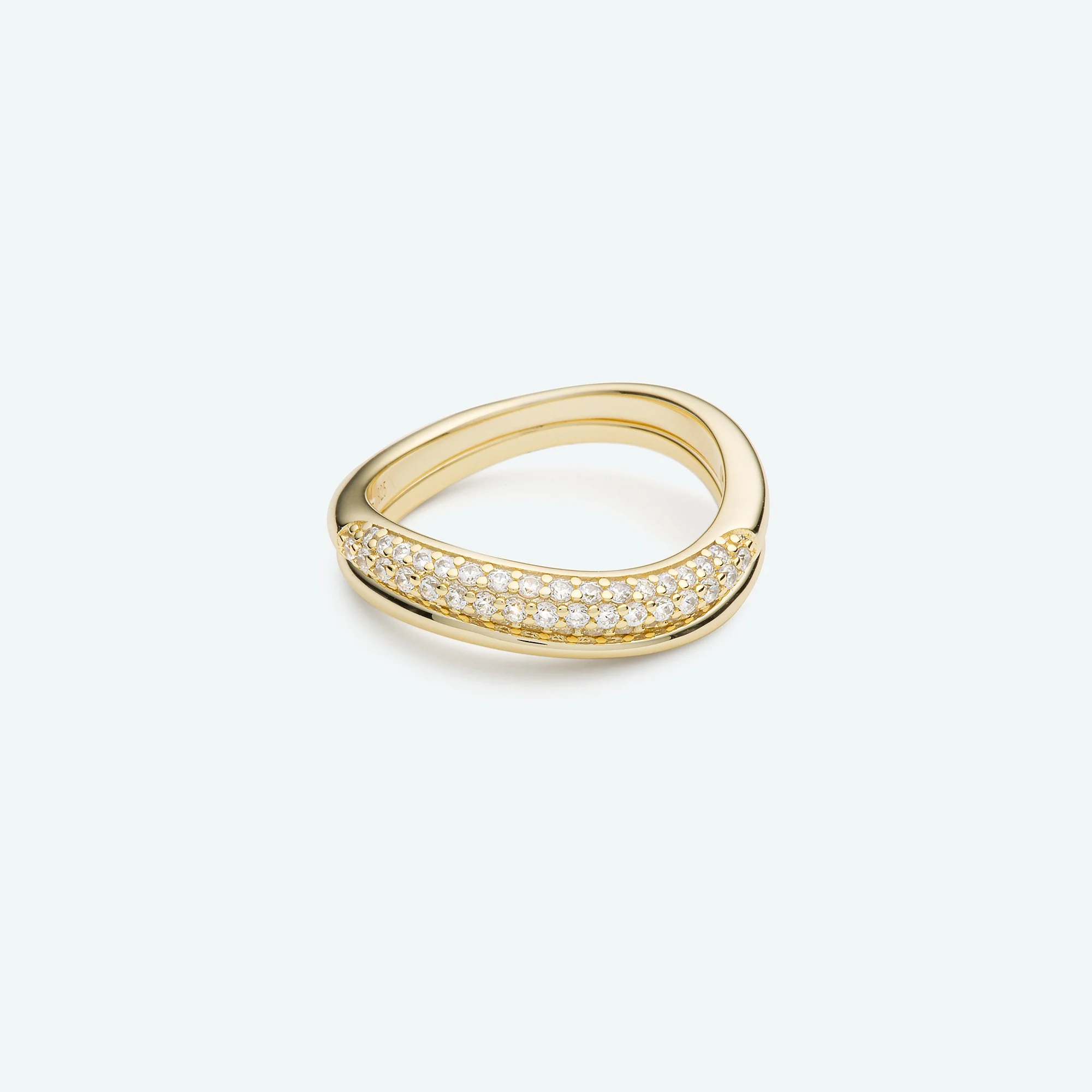
Jewellery photography is one of the most technically specialised areas of product photography. Rings, earrings, bracelets and necklaces combine several photographic challenges:
Highly Reflective Metal
Gemstones
Extremely Small Details
Curved Surfaces
Fine Chains
Polished Finishes
Product Symmetry
Macro photography also reveals marks that may be almost invisible when the jewellery is viewed normally. That is why preparation and professional retouching form such an important part of jewellery product photography. Jewellery photography usually requires different lighting for different pieces. A lighting setup that works beautifully for a flat gold pendant may not produce the best result for a highly polished ring. Likewise, gemstones and polished metal need to be controlled differently.
Professional jewellery photography is therefore rarely a case of finding one lighting setup and using it unchanged across every item. At Nikita Photography Studios, jewellery eCommerce photography generally combines controlled studio lighting, studio set up with detailed post production to retain shape and shine while keeping the jewellery realistic.
Ghost Mannequin Photography
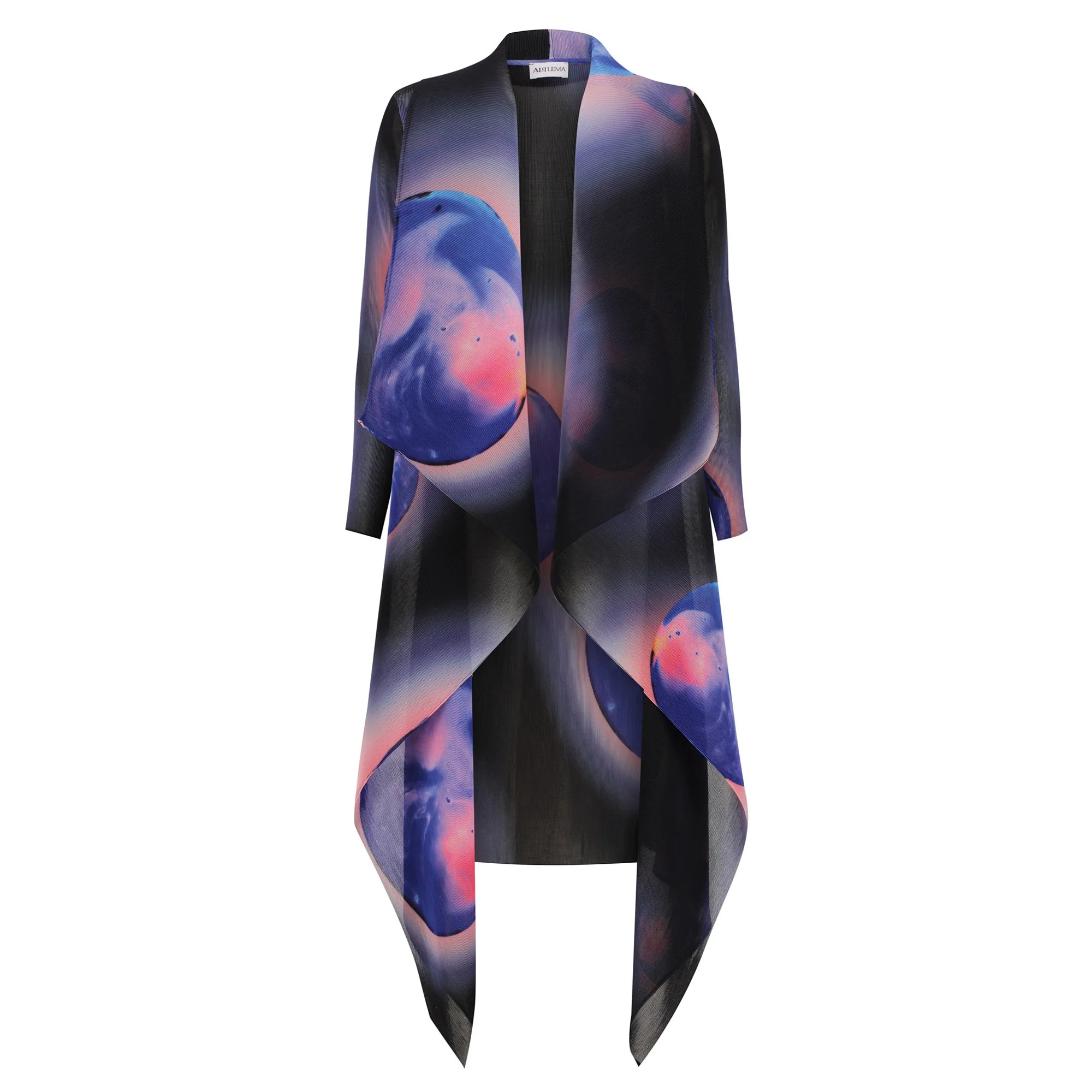
Ghost mannequin photography, sometimes called invisible mannequin photography, is widely used by fashion and clothing brands. A garment is photographed on a mannequin to give it shape. During post production, the visible mannequin is removed and separate internal sections of the garment are photographed and composited into the final image. The result shows the three-dimensional structure of the garment without a visible mannequin.
Ghost mannequin photography is commonly used for:
Shirts
T-shirts
Dresses
Jackets
Blazers
Activewear
Uniforms
Pants
Knitwear
Swimwear
Why garment size matters
One detail that is often overlooked when preparing a ghost mannequin shoot is garment sizing. The closer the sample fits the studio mannequin, the more naturally the garment sits and the less artificial adjustment is required.
At our Sydney Studio, our commonly requested sample sizes are :
Female: S / AU 8
Male: M
Kids: size 7/8
Correct sample selection can make a substantial difference to the final photograph.
Flat Lay Product Photography
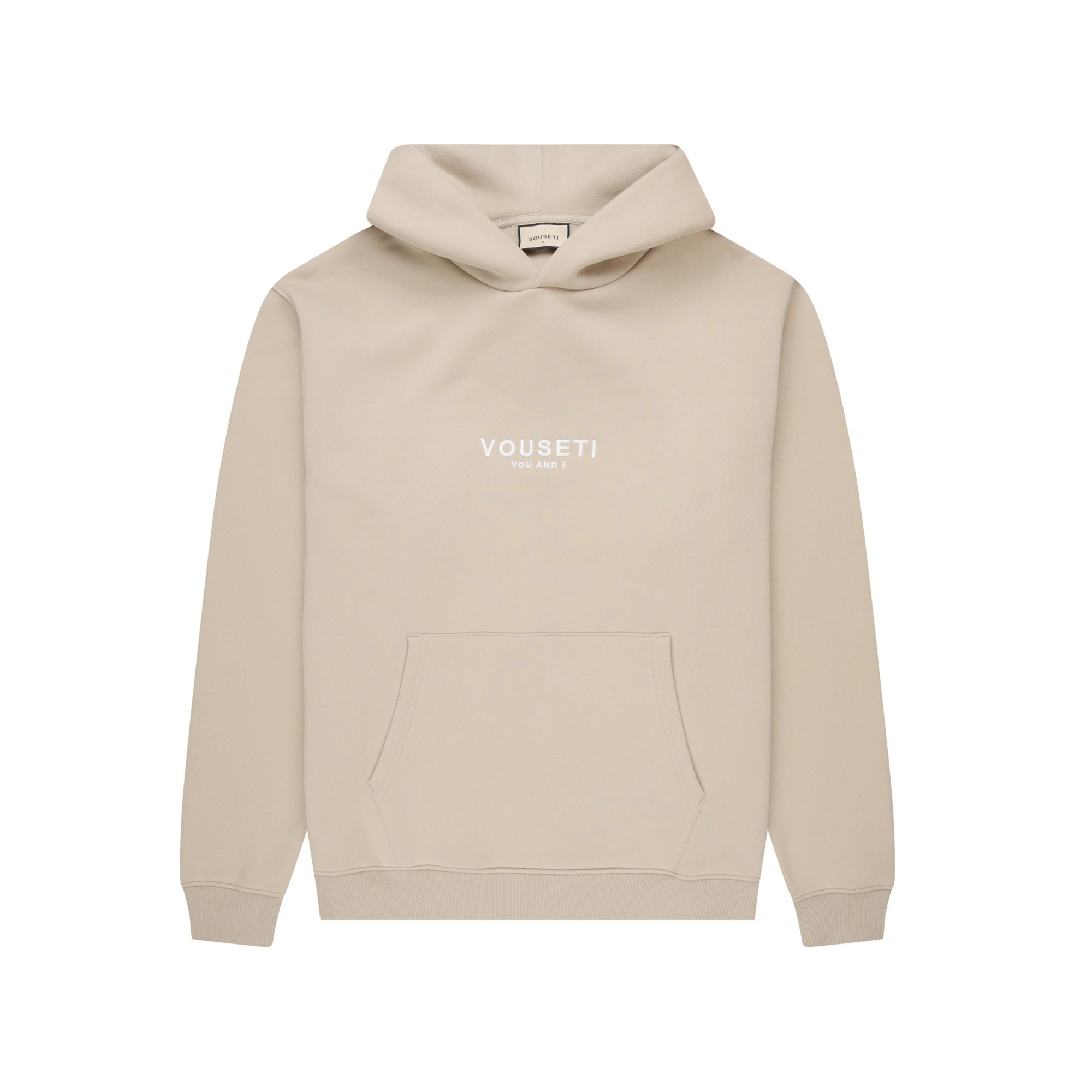
Flat lay product photography is a controlled overhead photography technique in which the product is photographed from directly above. Although the setup appears simple, successful flat lay photography depends on precise composition, accurate spacing, controlled lighting and careful product preparation.
The objective is to present the product clearly while maintaining strong visual balance across the frame. Shape, proportion, colour, texture and important design details should remain easy to read, particularly when the images are being produced for eCommerce, catalogues or online retail.
At Nikita Photography Studios in Sydney, flat lay product photography is used across a wide range of product categories, including:
Clothing, Apparel and Fashion
Accessories
Stationery
Gift sets
Cosmetics and Beauty Products
Jewellery
Packaged Products
Lifestyle and Retail Products
Flat lay photography is particularly effective for products that can be arranged and viewed clearly from above. Garments, soft goods, accessories and other relatively flat products are well suited to this approach, as the overhead perspective allows their shape, proportions and design details to be presented in a clean, controlled and consistent way.
Flat lay photography generally falls into two distinct categories: eCommerce flat lay photography and creative flat lay photography. While both use an overhead camera position, the photographic objective, styling, lighting and composition can be very different. An eCommerce flat lay is primarily designed to communicate the product accurately and consistently, whereas a creative flat lay uses composition and art direction to build a stronger visual narrative around the product.
Product Photography vs Commercial Photography
Product photography is a specialised branch of commercial photography, but the two terms are not interchangeable.
Commercial photography is the broader category. It refers to photography created for a business, brand, organisation or commercial campaign. Its purpose may be to promote a product, service, company, location or brand message.
Commercial photography can include:
Product Photography
Advertising Photography
Corporate Photography
Architectural Photography
Food Photography
Fashion Campaigns
Lifestyle Photography
Hospitality Photography
Brand Campaigns
Product photography, by contrast, focuses specifically on presenting and communicating a physical product. The photographer’s approach changes depending on how the image will be used.
For example:
eCommerce Product Photography is designed to show the product clearly and help customers understand its features, materials, shape and proportions
Catalogue Photography prioritises consistency across a large product range
Advertising Photography is created to attract attention and support a campaign concept
Styled Product Product Photography is often designed for stronger visual impact and immediate engagement
This distinction is important because the same product may require several different types of commercial imagery. A clean white background image may be ideal for an online store, while the same product may also need a styled hero image for a homepage, advertising campaign or product launch.
For businesses planning professional product photography in Sydney, defining the intended use of the images before the photoshoot helps determine the most appropriate lighting, composition, background, styling, image dimensions and level of post production.
In many cases, the most effective strategy is to create a coordinated set of product images that can work across eCommerce, retail, advertising and marketing channels while maintaining a consistent visual identity.
DIY Product Photography vs Professional Product Photography
DIY product photography can be a practical way to get products online quickly and keep initial costs under control. DIY photography is often suitable for testing and early-stage selling. Professional product photography becomes more valuable when photography affects conversion, brand perception, advertising performance, catalogue growth or the efficiency of repeated product launches.
That typically happens when:
Consistent Images are required
New Products Launches
Products are reflective, glossy or metallic
Transparent or translucent materials are involved
Colour accuracy is important
Fine texture and surface detail need to be controlled
Products require styling
Professional retouching
Images used across advertising, print and digital campaigns
The Brand and Image recognition
The key difference between DIY and professional product photography is therefore not simply the camera being used. It is the level of control, repeatability and production consistency behind the image.
Professional Product Photography Makes a Difference
A professional product photography studio is designed to control variables that are difficult to reproduce consistently in a home or office environment.
This includes:
Lighting direction
Light intensity
Reflections
Camera position
Product scale
Shadow density
Colour management
Post Production
Image Editing
This is particularly important in eCommerce product photography, the photography therefore needs to function as a system. Some products are much harder to photograph professionally than others. Jewellery, polished metal, watches, glass, bottles, glossy cosmetics packaging and other reflective products require a highly controlled lighting environment. A reflective product does not simply show the light falling onto it. It can reflect the camera, ceiling, walls, photographer and surrounding equipment. The photographer therefore needs to control what the product is reflecting, not merely how bright the light is.
Transparent products create a different problem. Glass, clear plastics and translucent packaging often require careful edge lighting and background control so the product remains visible while still appearing transparent. These technical challenges are one of the main areas where professional product photography differs from a basic DIY setup.
Colour Accuracy Also Matters
Colour becomes increasingly important when customers are buying products online without seeing them in person. Fashion, cosmetics, jewellery, furniture and other colour sensitive products may require considerably more control than simply adjusting the image until it looks pleasing on screen.
Professional product photography involves managing:
Professional Studio Light
White balance
Exposure
Reflective colour contamination
Post production colour correction
Even then, the final appearance can vary between customer screens. The objective is therefore to create the most reliable representation possible from the original product. For a brand selling several colour variations of the same item, small inaccuracies can become especially noticeable when the products are displayed next to each other.
Professional Retouching: Where the Difference Becomes Visible
DIY product photography often relies on basic adjustments such as exposure, contrast, cropping and background cleanup. Professional product retouching can involve much more detailed work.
Depending on the product, this may include:
Dust and fingerprint removal
Scratch reduction/removal
Deep Etching
Background removal
Background replacement
Reflection correction
Jewellery retouching
Garment shaping
Compositing
Shadow refinement
Colour correction
Image alignment
Consistent cropping
Web optimisation
The purpose is not to make the product artificially perfect. The objective is to remove distractions created by the photographic process while preserving the product's actual design, material and finish. It requires repeatable lighting, controlled camera positions, consistent product preparation, defined image specifications and a structured post-production workflow.
At Nikita Photography Studios in Sydney, we work with businesses that require repeatable, commercially consistent product photography and eCommerce photography across individual products, collections and ongoing product releases. The value of professional product photography is ultimately not just a better looking photograph. It is having a reliable visual system that can continue to represent the brand consistently as the business grows.
How to Choose a Product Photographer in Sydney
Choosing a product photographer in Sydney should involve more than comparing portfolios, daily rate or price per an image. Look for a studio with proven experience in your product category, a consistent commercial style, clear pricing, reliable turnaround times and a structured workflow for preparation, photography, retouching and file delivery.
The photographer should also understand how the images will be used across eCommerce, advertising, marketplaces and print. A strong Sydney product photography studio should therefore be evaluated not only on whether it can create one attractive image, but on whether it can deliver accurate, repeatable and commercially useful photography across an entire product range.
Photographing clothing requires a different technical approach from photographing jewellery, cosmetics, glassware, watches, packaging or reflective metal products.
Different product categories create different challenges.
For example:
Clothing requires steaming, garment preparation and consistent garment positioning
Jewellery requires precise lighting, cleaning and detailed retouching
Reflective products require careful control of highlights and surrounding reflections
Cosmetics and packaging demand accurate label positioning, surface preparation and colour control
eCommerce catalogues require highly repeatable image consistency
Understand What Is Included in the Price
Product photography pricing can be structured in several ways. Some photographers charge by the hour or day, while others charge per product or per final image. The cheapest quoted rate does not necessarily represent the lowest total production cost. Ask exactly what the quote includes.
Depending on the studio, product photography pricing may include or exclude:
Product preparation, Steaming, Styling
Background removal
Deep etching
Colour correction
Basic retouching
Advanced retouching
Transparent PNG files
High-resolution files
Web-optimised files
Final Files Delivery, PSD files
File naming
Product returns
A lower photography rate can become significantly more expensive if essential post production is charged separately.
The most useful comparison is therefore not simply the price per photograph. It is the cost of receiving a finished, commercially usable image that meets your required specification.
At Nikita Photography Studios, we use a transparent, all inclusive pricing model so clients know exactly what their product photography will cost before the shoot begins. Our quoted price includes the core production required to deliver finished, commercially ready images, without unexpected post production or additional fees. We help businesses to plan their photography budget with confidence, compare costs accurately and avoid the hidden charges that can make seemingly inexpensive photography significantly more expensive once the project is complete.
What about Product Preparation?
Professional product photography starts with preparation. Garments may need steaming, lint removal, shaping and adjustment. Jewellery requires cleaning, positioning and careful alignment. Packaging may require dust removal, label correction and box shaping. Reflective products often need repeated cleaning because fingerprints and microscopic marks become highly visible under professional lighting.
At Nikita Photography Studios, product preparation is considered part of the photography process. We advise clients on how products should arrive and we perform product preparation before the photoshoot. Whenever possible, we correct issues physically on set rather than relying on unnecessary digital retouching later, because well prepared products produce more natural, consistent and commercially accurate final images.
Consider the Quality of Retouching
Professional product photography does not end when the image is captured. Professional product retouching is an essential part of commercial product photography. The purpose is not to make the product look artificial or materially different from the item a customer will receive. It is to remove photographic distractions, refine presentation and ensure the final image is clean, accurate and consistent across the full product range.
At Nikita Photography Studios, retouching is approached as part of the overall production workflow rather than as a separate step. Depending on the product, post production may include colour correction, exposure refinement, dust and fingerprint removal, edge cleanup, background removal, deep etching, shadow refinement, reflection control, garment shaping, jewellery retouching, compositing and image alignment.
Different products require different levels of retouching. A matte packaged item photographed on white may need relatively light post production, while jewellery, watches, glass, polished metal and reflective packaging often require substantially more detailed work. These surfaces can reveal fine scratches, unwanted reflections, uneven highlights and some imperfections that become highly visible under professional lighting.
The most important principle is accuracy. Retouching should improve the clarity and presentation of the photograph without misrepresenting the product. Colour, material, texture, proportion and finish should remain believable, particularly for eCommerce photography where customers rely heavily on imagery when making purchasing decisions.
Consistency is equally important. In a large eCommerce catalogue, retouching needs to follow the same standard across every image so that backgrounds, shadows, colour and overall finish remain cohesive from one product to the next. This is especially valuable for brands with ongoing collections, where new photography must integrate naturally with existing imagery.
Professional retouching is therefore not simply about making an image look more polished. It is about creating a technically controlled, commercially usable final asset that accurately represents the product and maintains the visual standard of the brand. The objective of professional retouching should be to create a clean and controlled representation of the real product without changing its fundamental design.
How the Images Will Be Delivered?
Before choosing a product photographer, confirm what files you will receive. The correct output depends on how the images will be used.
Typical requirements can include:
high-resolution JPEG files
web-optimised JPEG files
transparent PNG files
PSD files
Print Ready files
File delivery should be considered before the shoot rather than after it. An image intended for a Shopify product page may need to be framed differently from an image created for a website banner or print advertisement. If the same photography will be used across several platforms, discuss those requirements at the briefing stage.
Consider Turnaround and Production Capacity
Turnaround time matters, particularly around product launches, seasonal collections and major retail campaigns. Ask how long the full process takes from receiving the products to final delivery. Also consider whether the studio has enough capacity to handle your expected volume. A photographer may produce excellent work on ten products but struggle to maintain the same workflow across several hundred SKUs. For larger eCommerce projects, production efficiency becomes just as important as creative ability.
Avoid Choosing a Photographer on Price Alone
Price is an important consideration, but it should not be the only factor when choosing a product photographer. A professionally produced image may remain on a product page for years and be reused across eCommerce, advertising, marketplaces, catalogues, social media and other marketing channels. Its commercial value therefore extends far beyond the initial cost of the shoot.
For businesses with larger catalogues, production efficiency should also form part of the decision. Inconsistent or technically unsuitable photography can lead to additional costs through reshoots, extra retouching, manual resizing, missing angles, duplicated production and the need to repeatedly brief new suppliers. Professional product photography should minimise these inefficiencies by delivering accurate, consistent and reusable imagery.
A lower upfront price can become more expensive if the images require correction, replacement or cannot be used reliably across future campaigns and product launches. The strongest value comes from photography that combines visual quality with consistency, technical accuracy and long term commercial usability.
Questions to Ask a Product Photographer Before Booking
Before selecting a product photographer, it can be useful to ask:
Have you photographed this type of product before?
Is product preparation included?
Is professional retouching included?
How are final images priced?
What backgrounds can you provide?
Can you provide transparent PNG files?
What image sizes and formats are delivered?
What is the typical turnaround time?
How do you manage large SKU lists?
How are products returned after the shoot?
What happens if additional images are required?
The answers should give you a clearer understanding of both the photographic quality and the studio's production capabilities.
Choosing a Product Photography Studio in Sydney
When comparing product photography studios in Sydney, look beyond individual portfolio images and consider the complete production process.
The strongest studio for your business should be able to demonstrate:
Relevant product photography experience
Technically Experienced Photographer and Post Production Team
Professional Retouching
Accurate and consistent colour
Clear commercial pricing
Fast and Reliable Turnaround Times
Consistent file delivery
Ultimately, choosing a product photographer is about finding a studio that can create imagery that performs consistently across the entire life of your product catalogue.
At Nikita Photography Studios, we specialise in professional product photography in Sydney, including eCommerce photography, jewellery photography, ghost mannequin photography, flat lay photography, accessories and commercial packshot photography.
Our focus is not simply on producing an attractive photograph. It is on creating accurate, consistent and commercially useful imagery that can work across eCommerce, advertising and ongoing product collections.