
Ghost Mannequin Swimwear Photography: Managing Shape, Reflections and Image Consistency
A behind-the-scenes case study from Nikita Photography Studios.
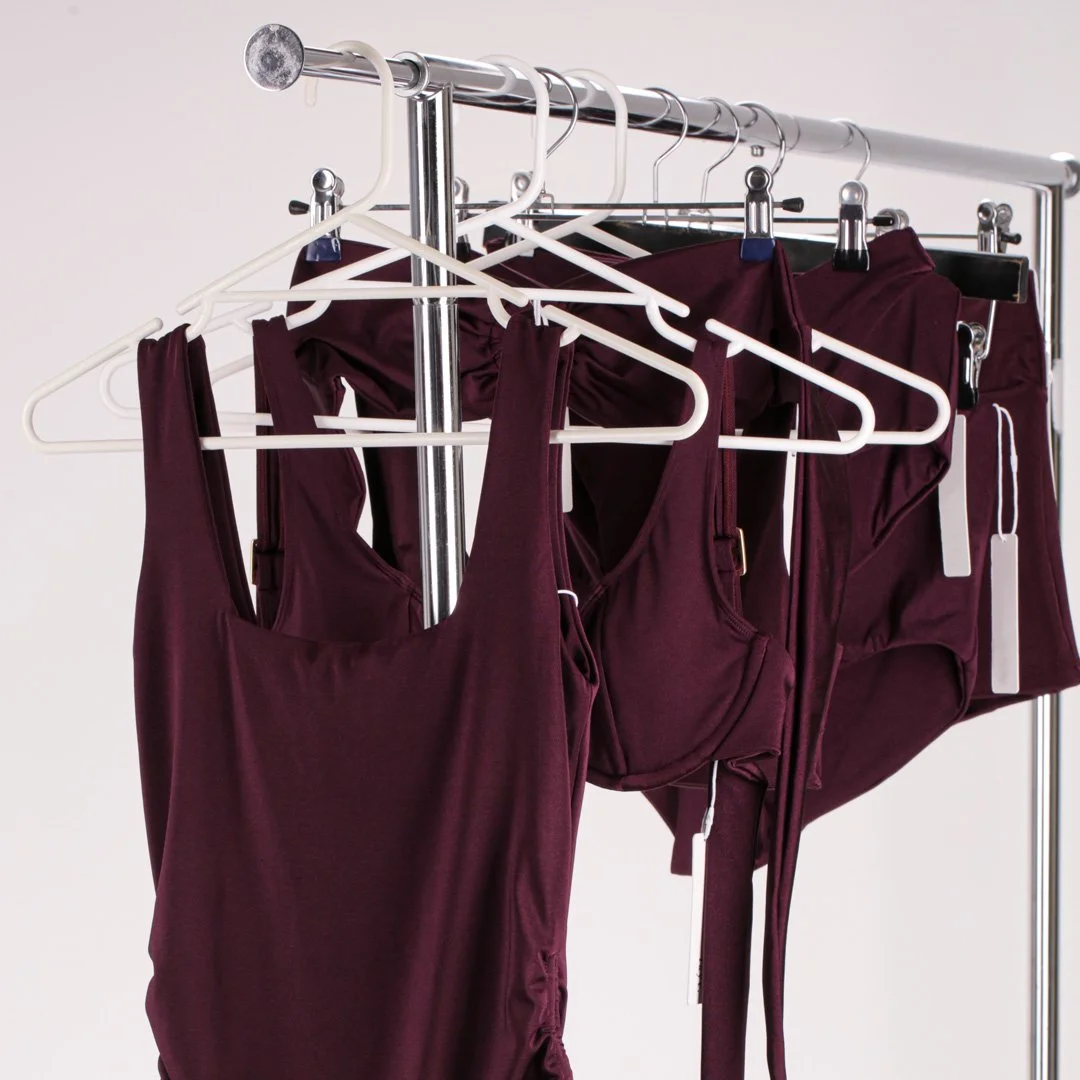
Project Overview
For this project, our studio received a collection of eight swimwear pieces: three tops, four bottoms and one one-piece swimsuit.
The client required front and back photography of every item, along with additional images demonstrating alternative ways to tie selected designs.
The shot list included:
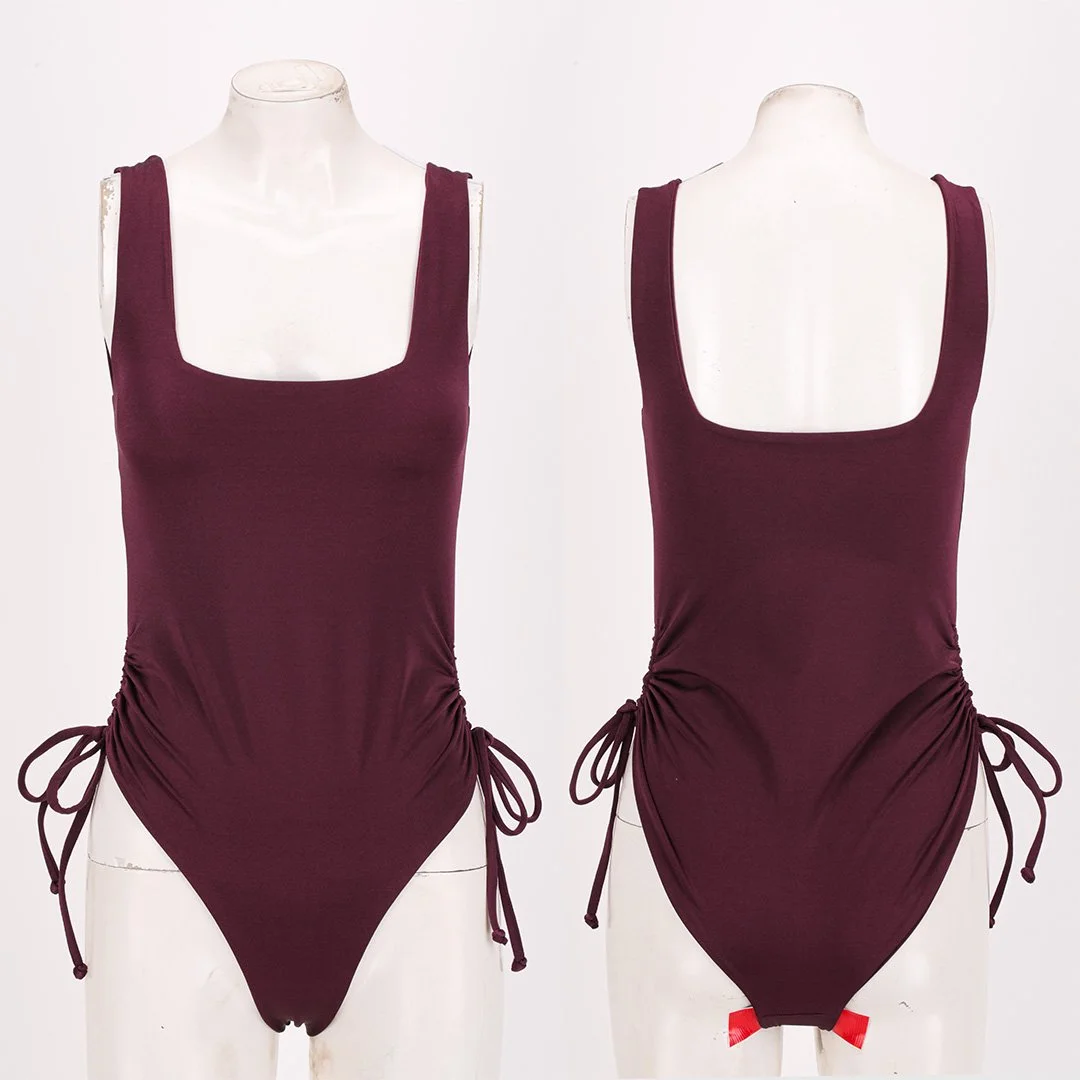
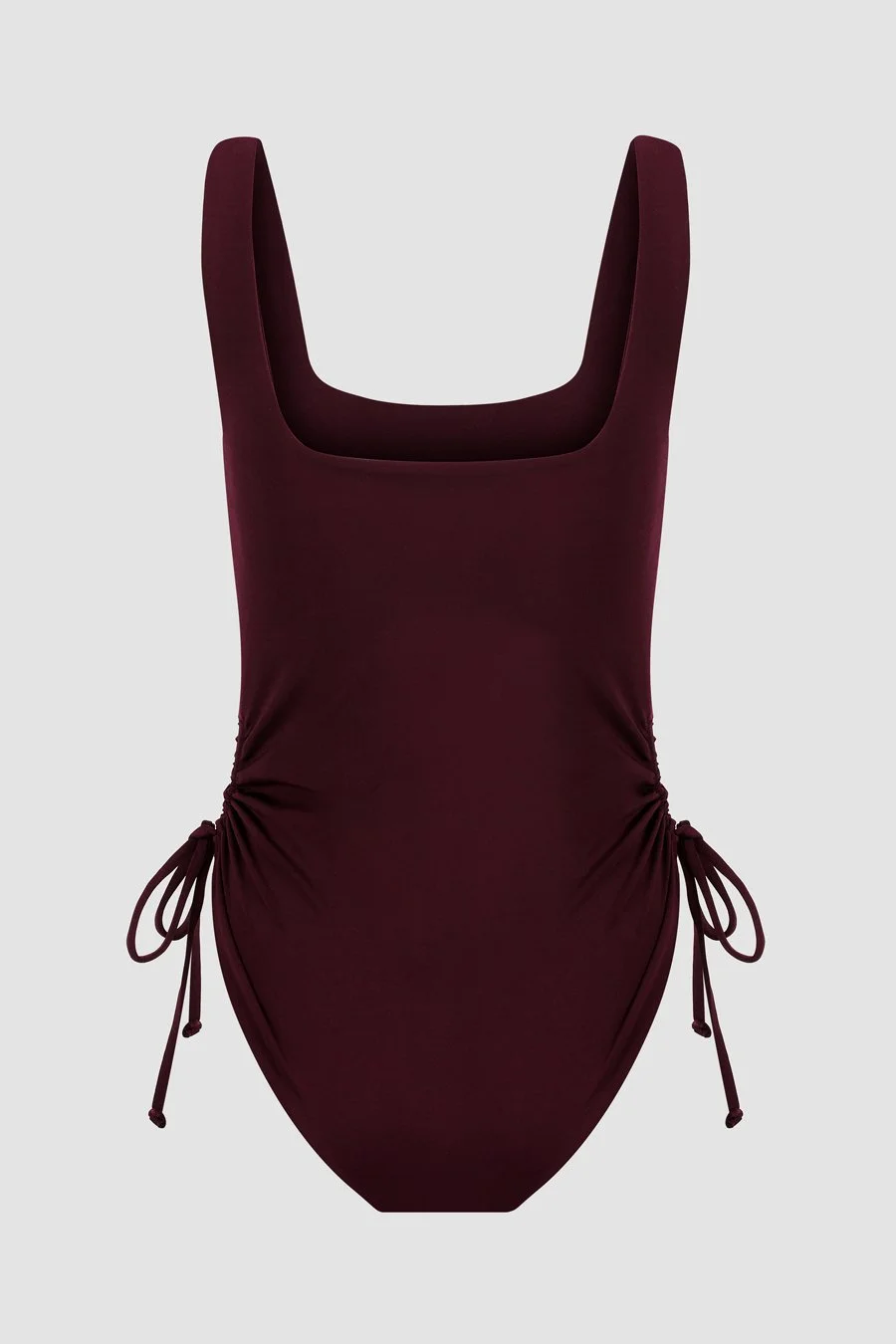
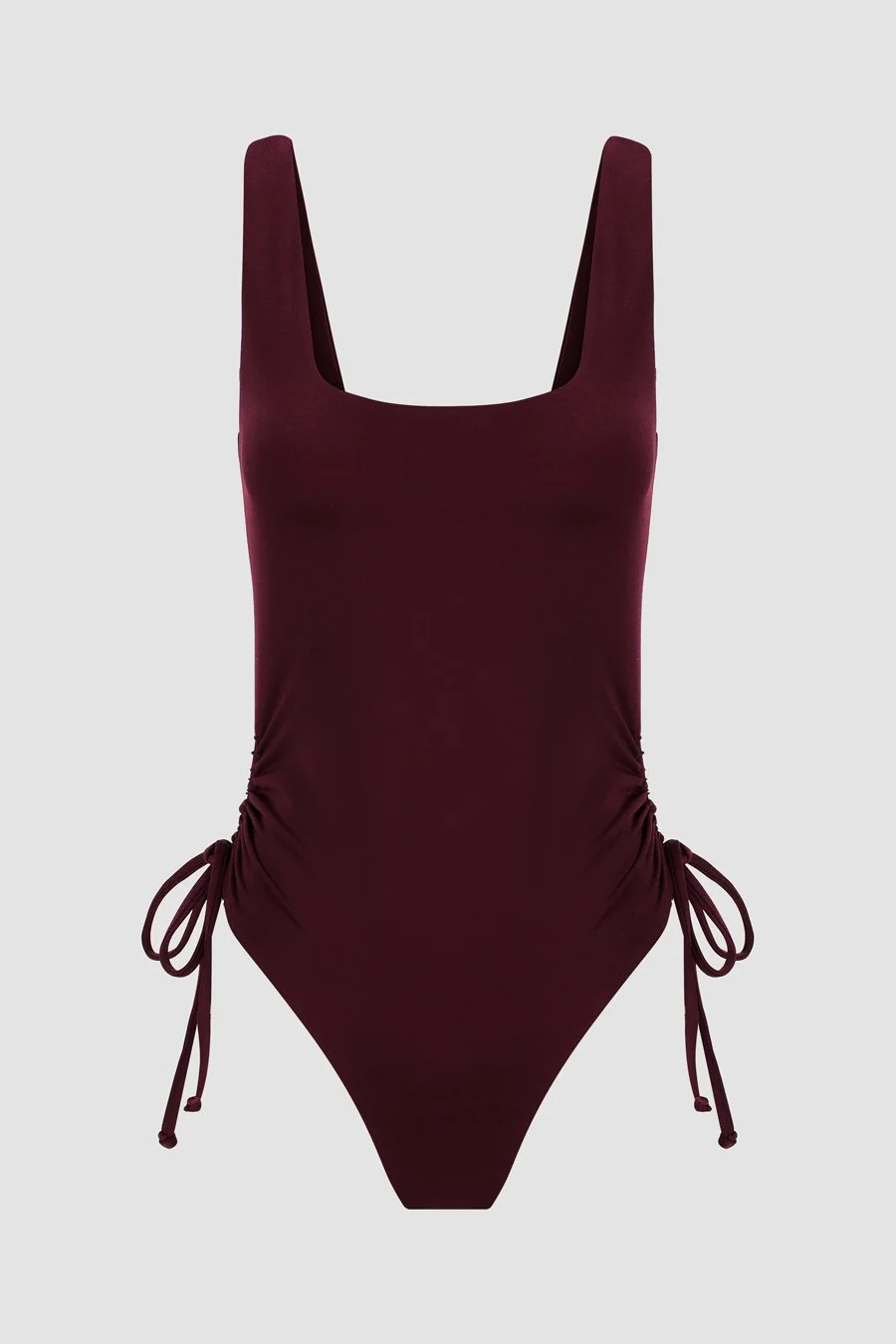
One-piece swimsuit: Front and back views, with the side ties tightened into bows.
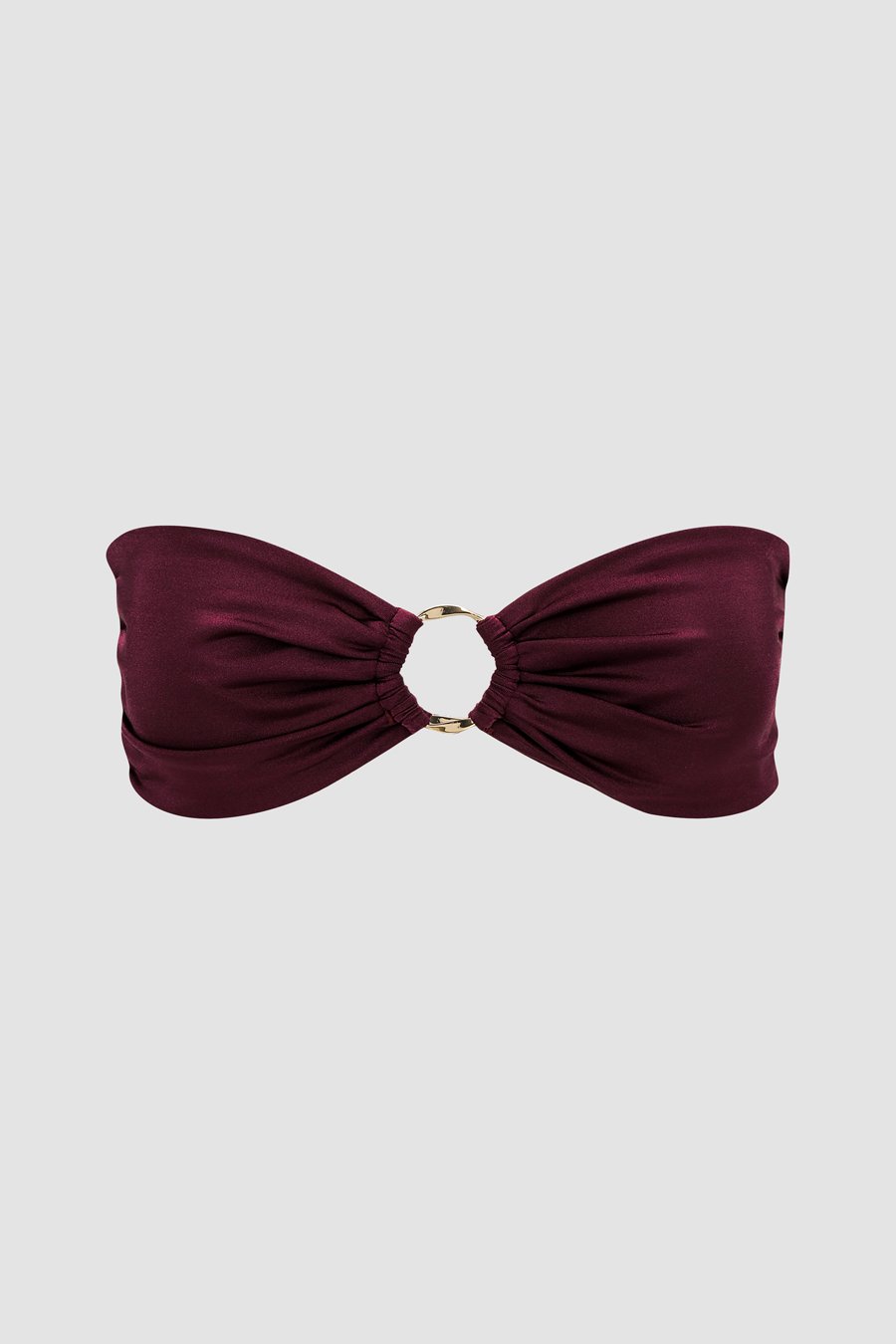
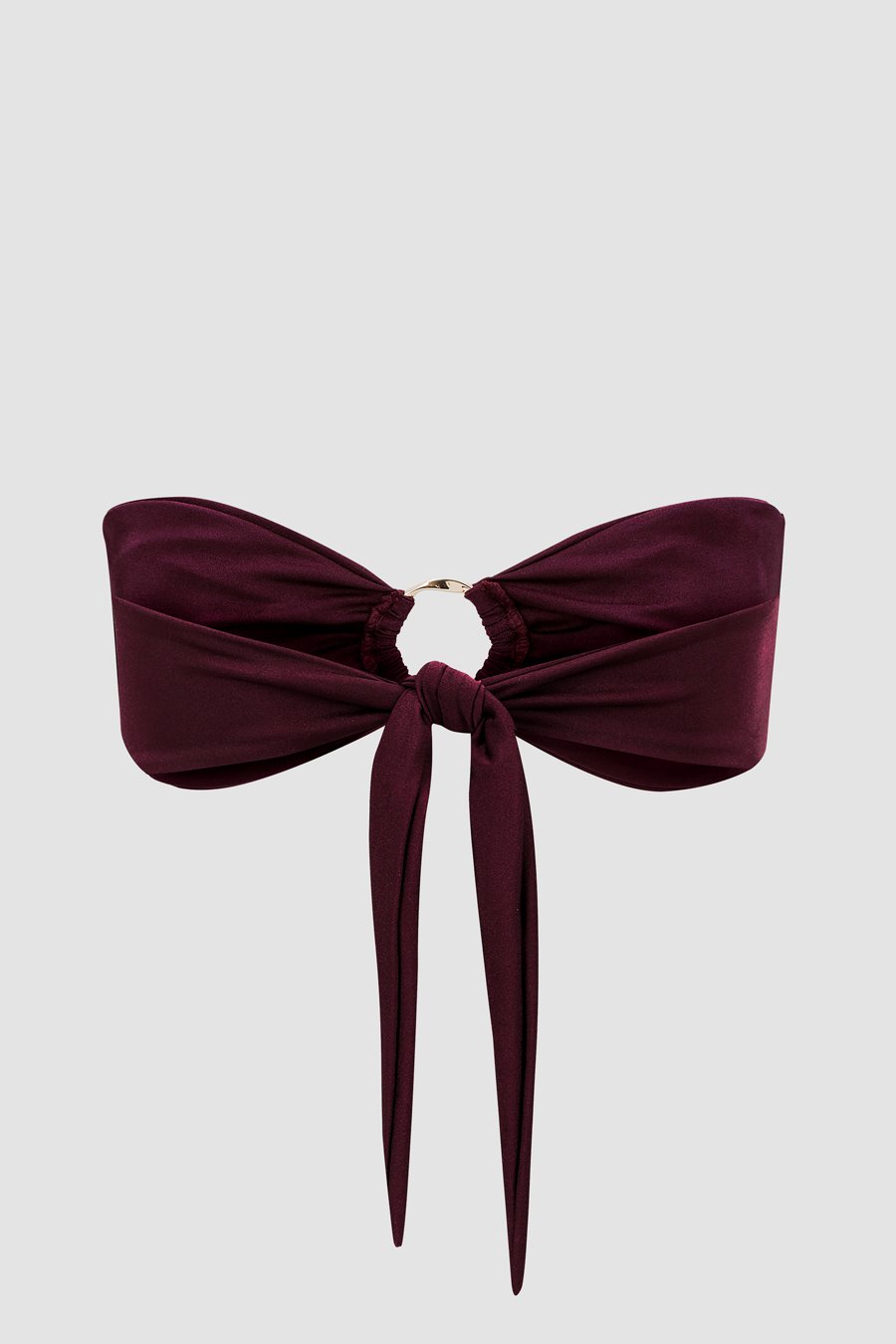
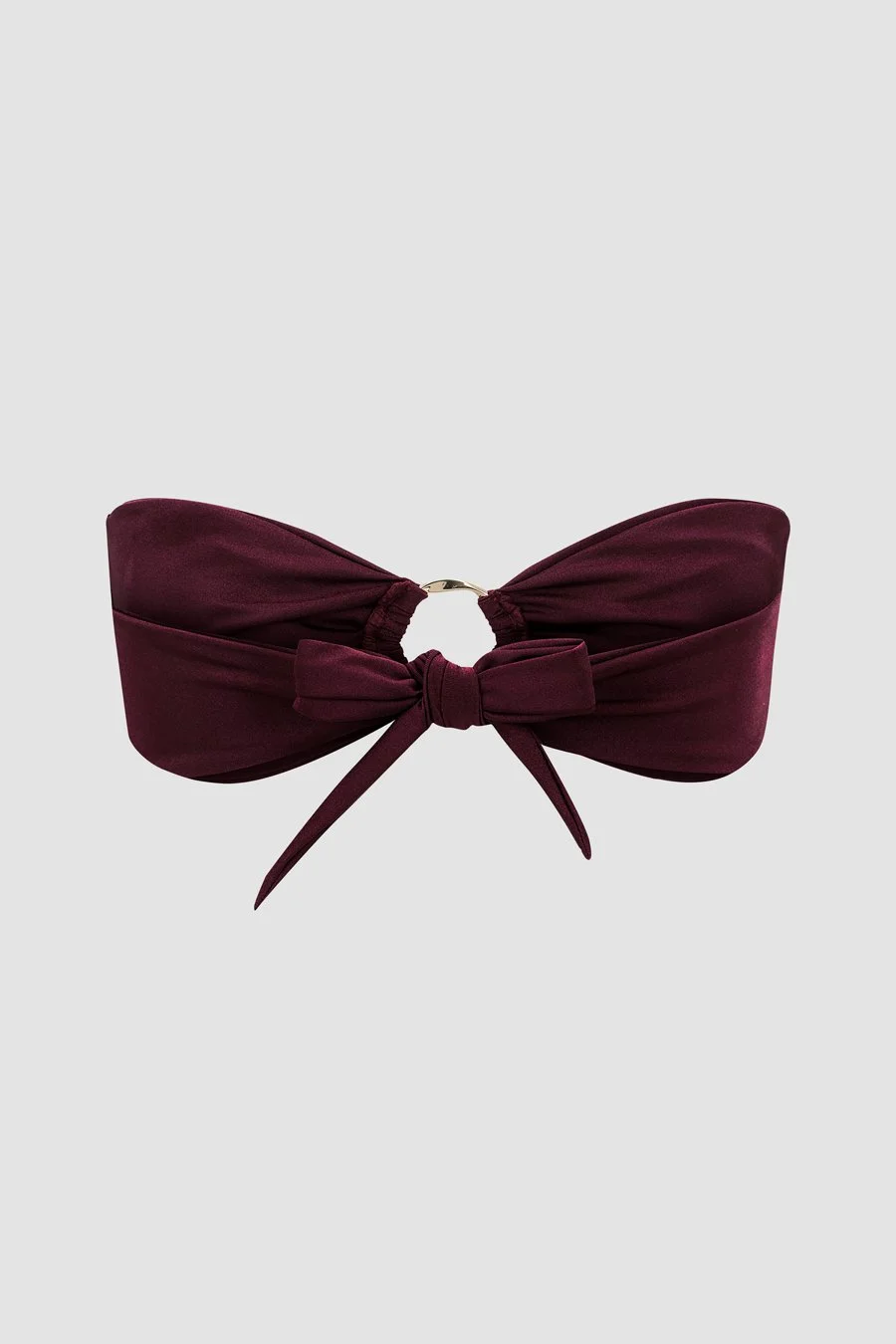
Bandeau top: Front view, back with a knot tie and back with a bow tie.
Underwire top: Front view, back with a knot tie and back with a bow tie.
Remaining swimwear: Front and back views according to the agreed photography requirements.
The client also requested that the background colour of the final images match the existing imagery on their website.
All garments were the same colour, making consistency particularly important. Differences in lighting, exposure or colour correction would become immediately noticeable when the finished photographs were displayed together in an online collection.
Our objective was to produce a complete set of ghost mannequin images that accurately represented each design while maintaining consistent colour, garment proportions and presentation.
The Photography Challenge
Ghost mannequin photography for swimwear presents several technical challenges, particularly during post-production.
Unlike structured garments, swimwear often consists of narrow straps, small fabric panels, delicate seams and adjustable ties. These elements leave very little room for error when combining multiple photographs into a single image.
Creating the invisible mannequin effect requires the front and internal sections of a garment to be carefully assembled in Photoshop. Individual details must align correctly so that the finished image appears natural, without revealing the mannequin or introducing unrealistic shapes.
In this project, the additional tie configurations introduced another requirement: the same garment needed to look identical across multiple images, with only the intended tying detail changing.
Colour consistency was equally important. Because every garment shared the same colour, even subtle variations between photographs could make the collection appear inconsistent.
These requirements influenced how we prepared the products, positioned the lighting and approached the final retouching.
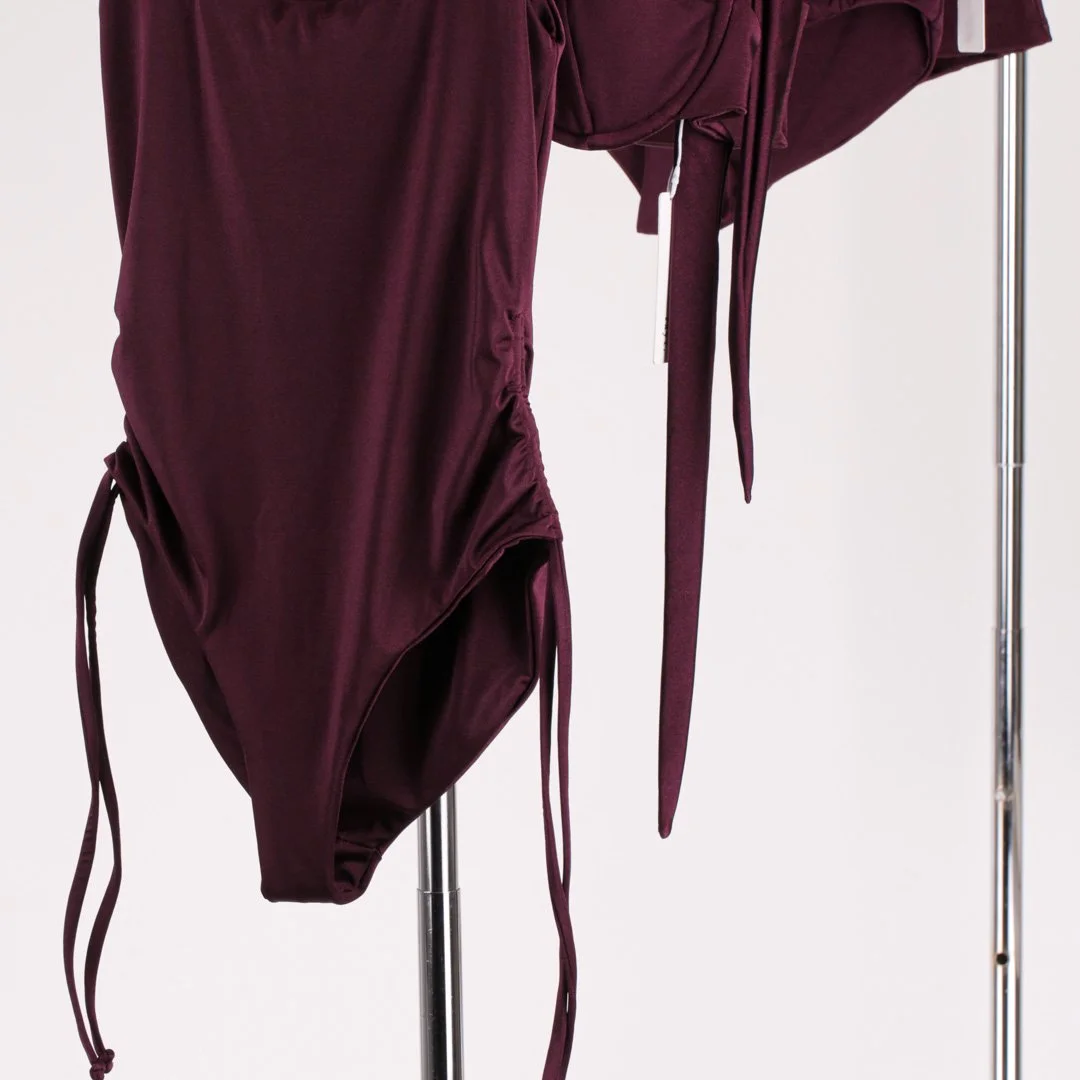
Preparing the Swimwear for Photography
We began by removing the swimwear from its packaging and organising the collection according to product type.
Tops, bottoms and the one-piece swimsuit were grouped together to establish an efficient shooting sequence and minimise unnecessary changes to the studio setup.
Each garment was inspected for visible defects, marks and creases before photography.
The swimwear was then carefully steamed to remove packaging creases and prepare the fabric for positioning on the mannequin.
This preparation is particularly important for close-fitting swimwear. Small folds, twisted straps or uneven fabric tension can alter the apparent shape of the garment and create additional work during post-production.
Once preparation was complete, we organised the garments according to the shot list, including the required front, back and alternative tie configurations.
Our Photography Approach
Establishing the Lighting
We started with the swimwear tops.
Our ghost mannequin photography setup uses five studio lights, with adjustable central lights that can be repositioned vertically to accommodate different garment types and sizes.
For the tops, we raised the main lights and directed them at an angle from above.
This created a more natural direction of light, adding depth and definition to the fabric while preserving the details of each design.
As we progressed through the collection, we adjusted the lighting position to suit the proportions of the garments rather than relying on one fixed setup for every item.
Photographing the Bandeau: Controlling Reflections on Gold-Plated Hardware
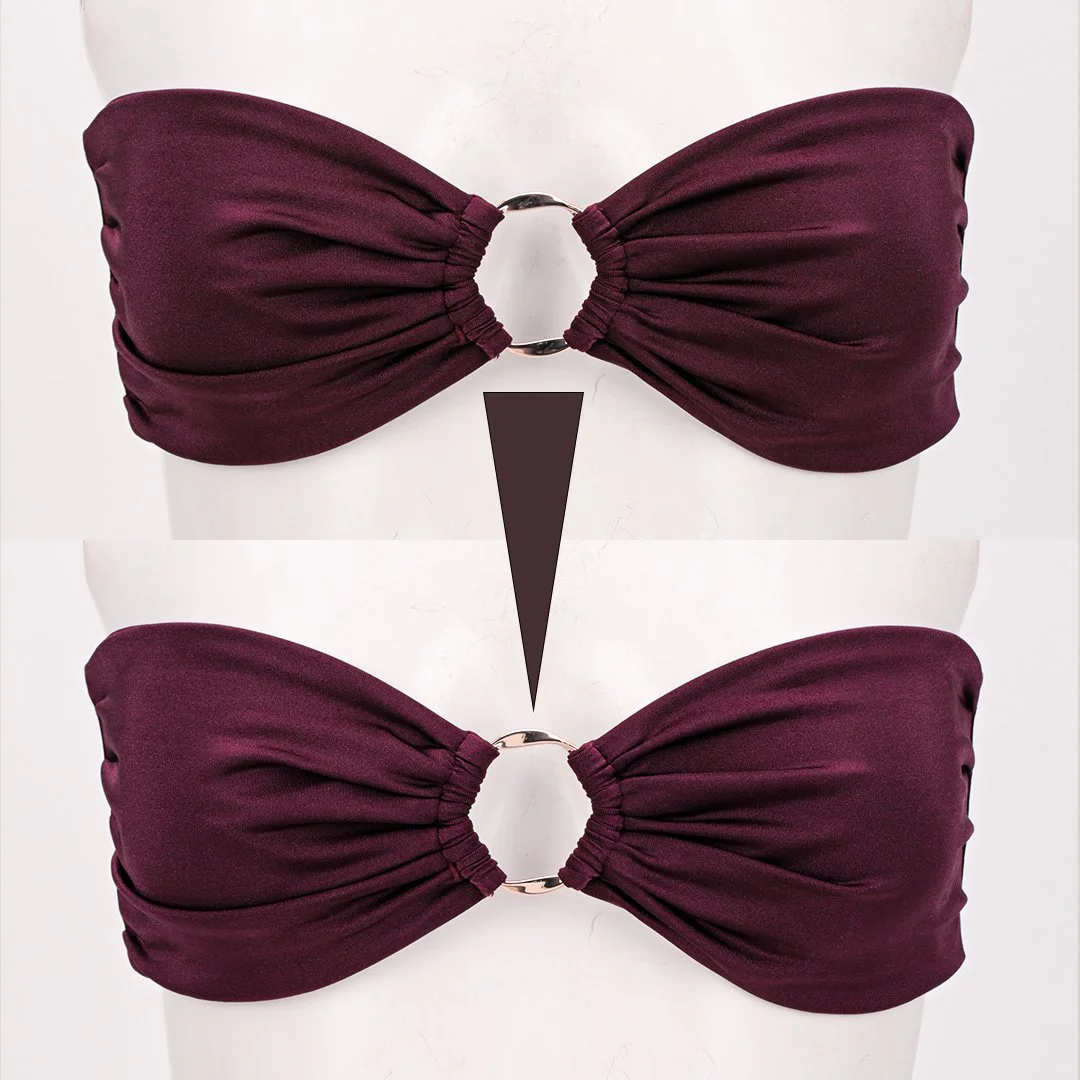
One of the bandeau designs featured a gold-plated ring positioned at the centre of the garment.
Although the ring was relatively small, its reflective surface required separate attention.
Without appropriate reflection control, polished gold hardware can reflect dark areas of the studio, causing the metal to appear almost black rather than showing its intended gold finish.
To address this, we used a white board to control the reflections on the ring.
The white surface provided a brighter reflection, allowing the hardware to retain its metallic appearance and creating a more accurate representation of the product.
This is a good example of how a relatively small detail can require a specific adjustment during product photography.
Maintaining Consistency Between Alternative Tie Configurations
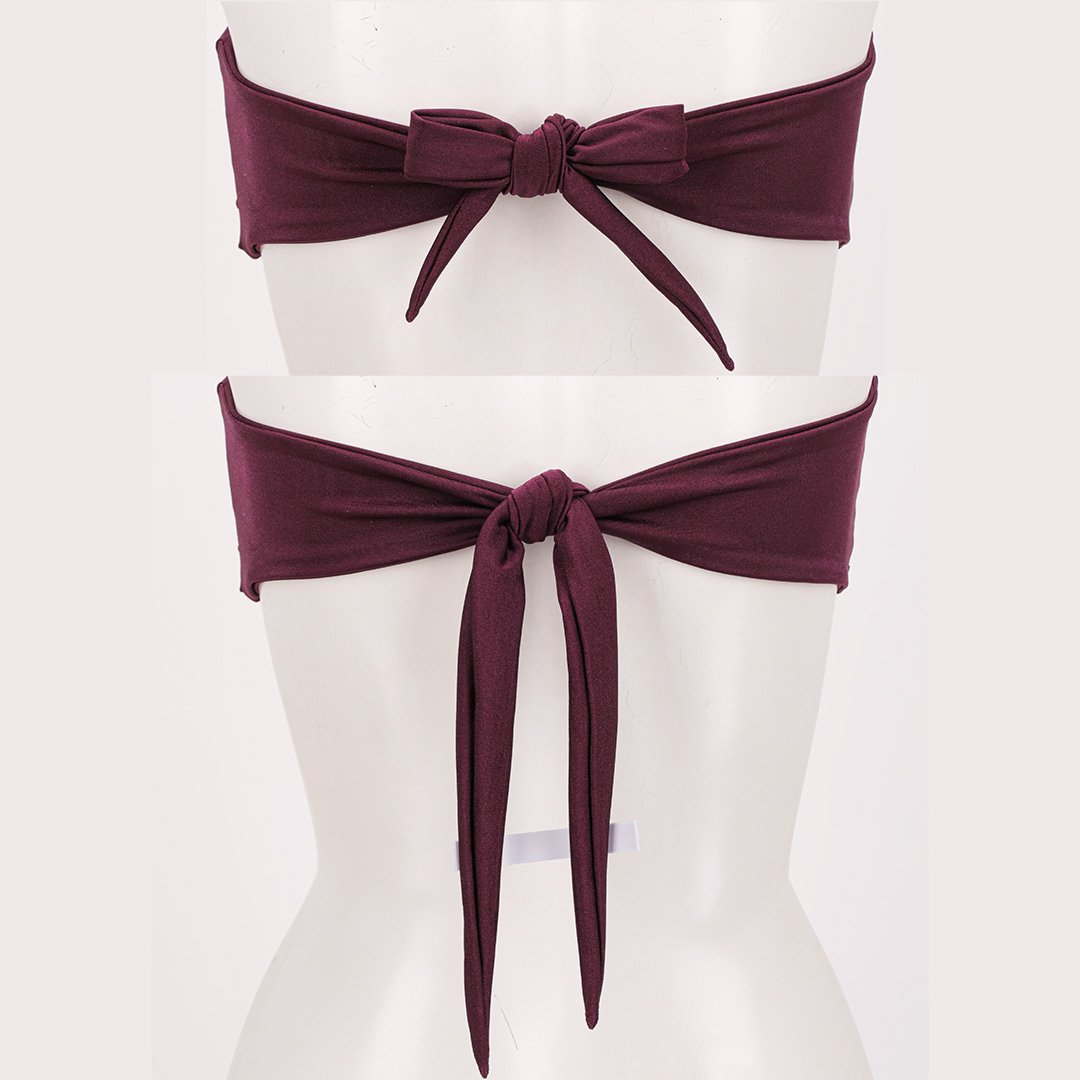
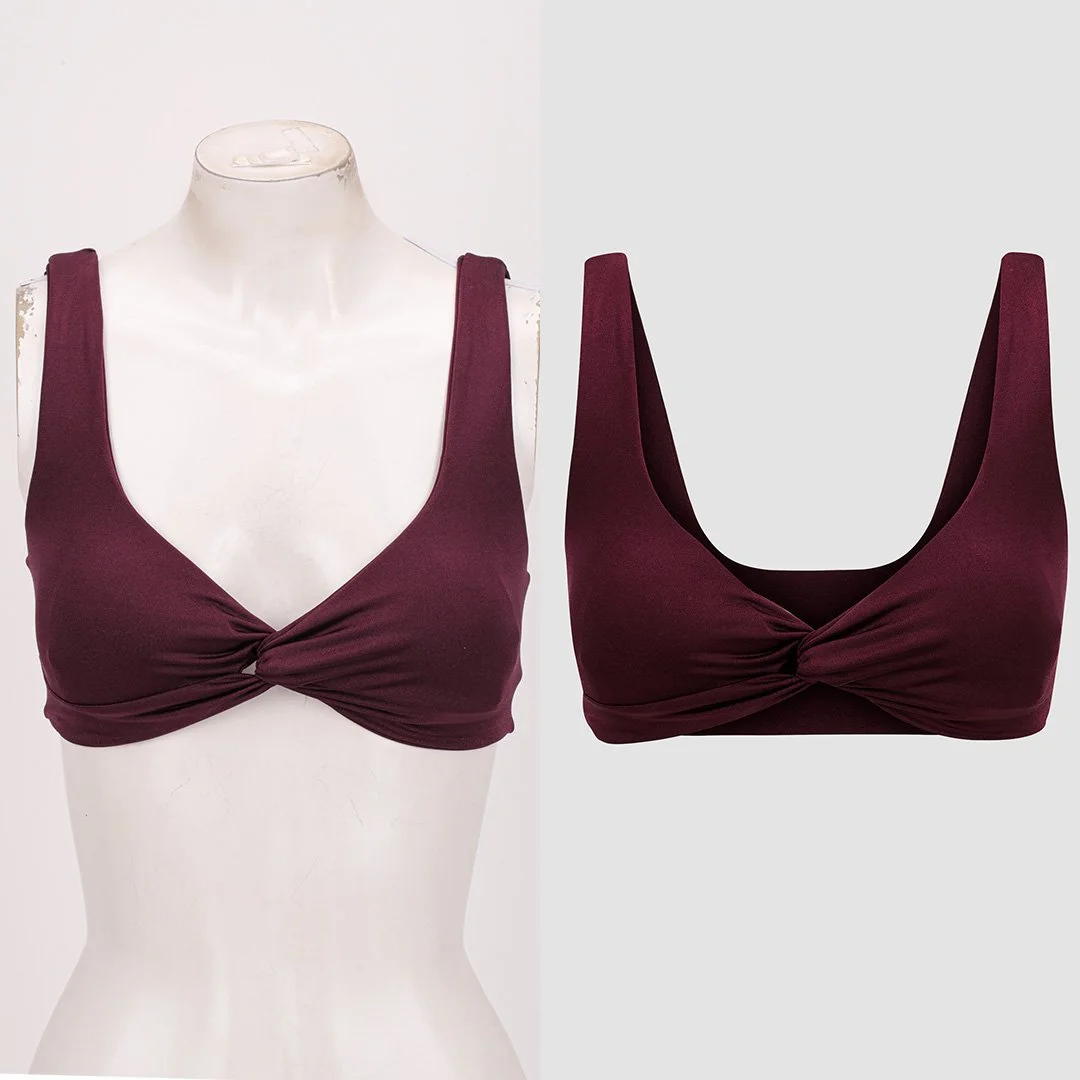
The tops required additional back views showing two different tying options: a knot and a bow.
The challenge was to maintain the same overall garment shape between the two photographs.
We adjusted the breast padding towards the centre of the garment rather than allowing it to sit too far towards the sides. This helped establish the intended shape and maintain consistent proportions.
Double-sided tape was used to secure the shoulder straps and keep them correctly positioned on the mannequin.
When photographing the alternative back configurations, we paid particular attention to maintaining the same placement, width and shape of the garment.
If the internal cup padding was visible or distracting in the resulting image, it could be removed during retouching.
The objective was to ensure that the knot and bow images appeared to show the same garment in the same position, with the tie configuration being the only meaningful difference.
This level of consistency is important when customers compare alternative product views on an eCommerce website.
Photographing the One-Piece Swimsuit
The one-piece swimsuit required another adjustment to the lighting setup.
Because the garment extended further down the mannequin, we lowered the main lights from their previous position to create more even illumination from the top to the bottom of the swimsuit.
The side ties also needed to be tightened into bows for both the front and back photographs, in accordance with the client's instructions.
Careful positioning was required to maintain the intended shape of the garment while keeping the tie details visible and consistent between views.
Photographing the Swimwear Bottoms
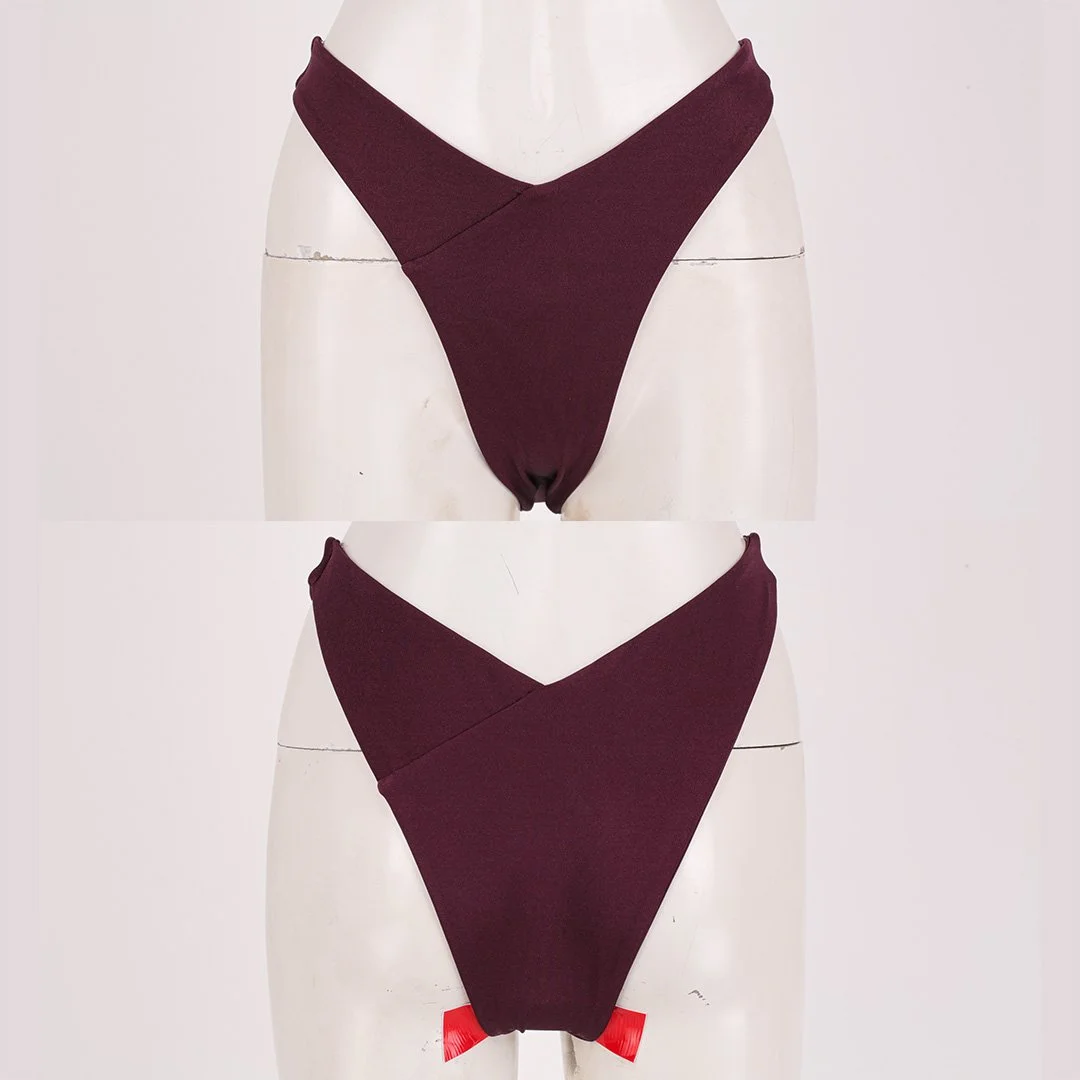
For the swimwear bottoms, we moved the lighting further down to suit the smaller shooting area.
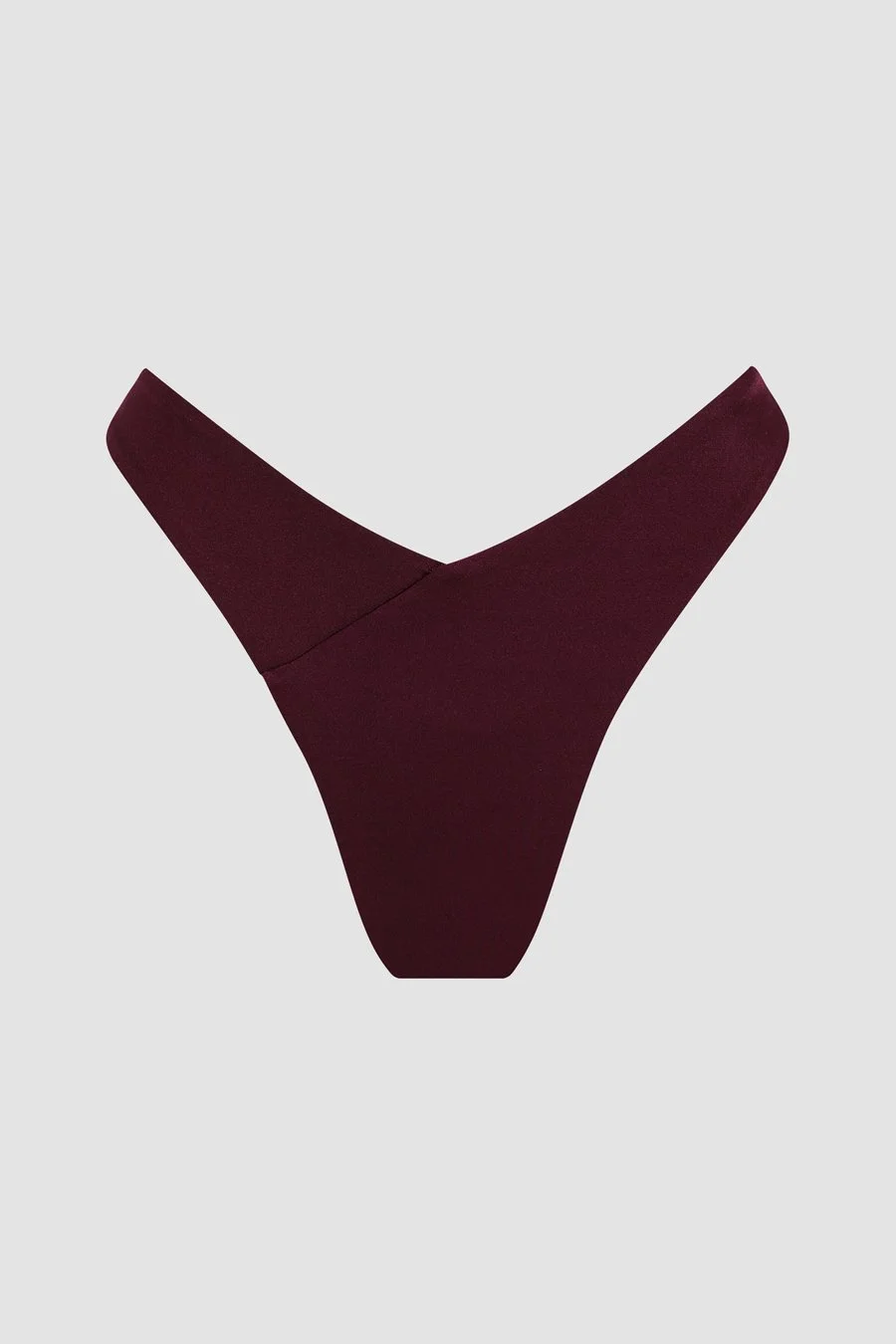
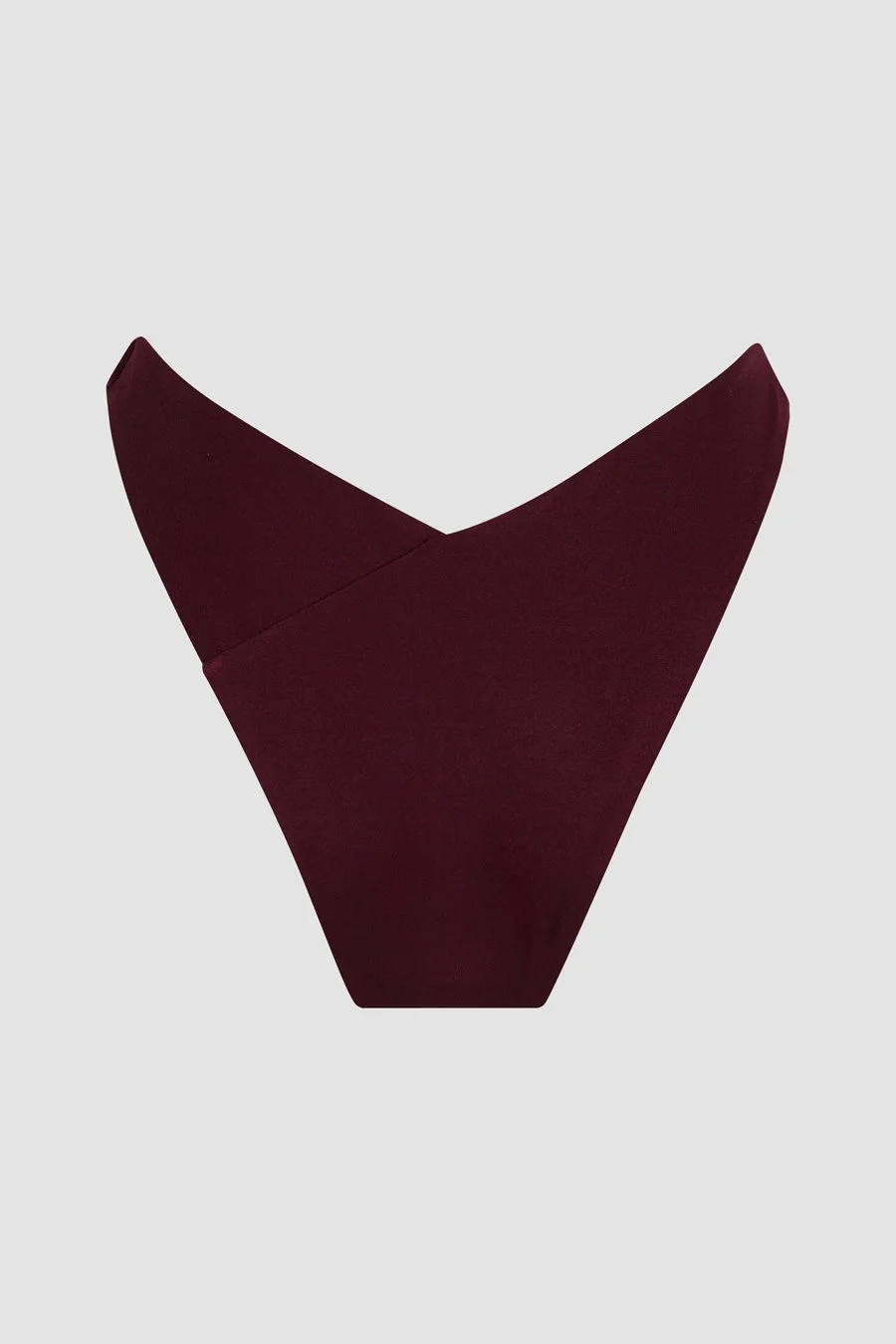
We generally position swimwear bottoms higher on the mannequin's hips to create a flattering shape and present the garment's proportions clearly.
Double-sided tape was used to secure the sides and prevent the fabric from slipping out of position during photography.
One particularly important consideration was how the back of the garment would be represented in the final ghost mannequin image.
We avoid adding unnecessary internal backing details to swimwear bottoms, as this can create what we refer to as the parachute effect: an exaggerated, unnatural appearance in which the fabric seems to inflate or extend away from its intended shape.
Instead, our approach is to preserve the natural proportions of the garment and keep the finished presentation clean and realistic.
Post-Production: Creating the Ghost Mannequin Effect
Once photography was complete, the images moved through our post-production workflow.
The first stage involved deep etching, where the background was carefully removed from the photographed product.
The images were then passed to our retouching team for ghost mannequin compositing.
This process involves assembling the relevant garment photographs, combining the front and internal sections, and carefully aligning the fabric to create the appearance of a garment being worn without a visible mannequin.
For swimwear, this stage requires particular attention to narrow straps, seams, fabric edges and small connecting details.
Our retouchers also refined the garment shapes, introduced appropriate shadows and completed the final colour correction.
Colour consistency was particularly important for this collection. As all eight pieces were the same colour, the finished images needed to maintain a uniform appearance across different garment types and viewing angles.
The background colour was also adjusted to match the client's existing website imagery, ensuring the new photographs could be incorporated into their catalogue without an obvious visual difference.
Maintaining Consistent Image Dimensions
Before final export, we assembled the completed images within a shared working file to check their proportions and placement as a collection.
This allowed us to standardise the product size, image width and surrounding white space.
Rather than treating each photograph as an isolated image, we reviewed how the entire collection would appear together.
The same layout could then be used as a reference for future photography, helping maintain consistency when additional products are added to the client's catalogue.
Following the final review by the photographer, the approved images were exported as individual files and prepared for delivery.
The Final Images
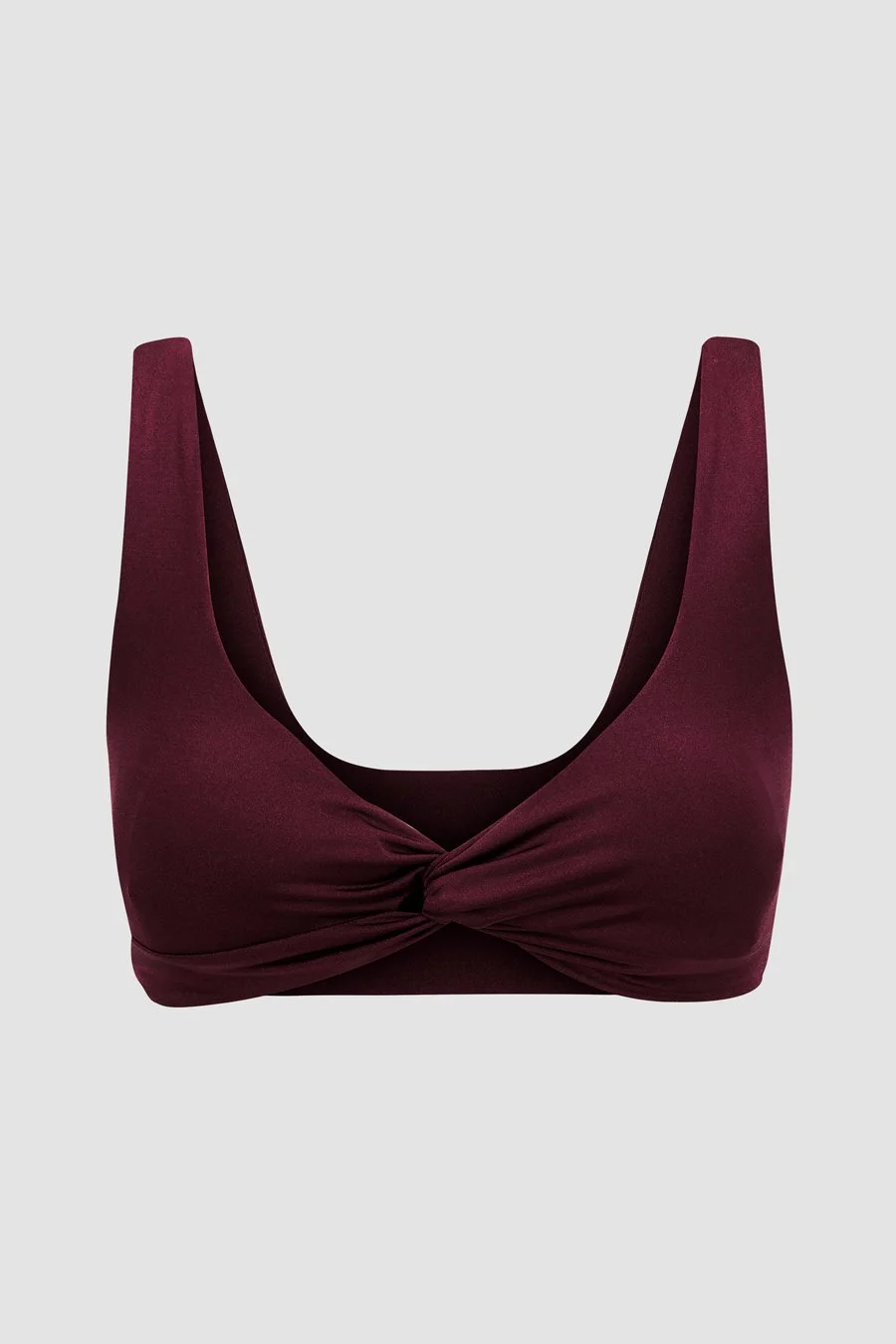
The completed collection included front and back product views, additional tie configurations and professionally retouched ghost mannequin images.
Throughout the project, the priority was to maintain consistent garment proportions, accurate colour and a uniform presentation across all eight swimwear pieces.
The finished images were prepared to match the client's existing website photography, allowing the new collection to sit alongside their established product imagery.
What This Project Demonstrates
Swimwear ghost mannequin photography involves considerably more than removing a mannequin in Photoshop.
The final result depends on decisions made throughout the entire process, from garment preparation and positioning to lighting, reflection control, compositing and colour correction.
This project illustrates several important considerations when photographing a coordinated swimwear collection:
Alternative tie configurations need to be planned and photographed consistently.
Small reflective details, such as gold-plated hardware, may require individual lighting adjustments.
Garment positioning directly affects the quality and realism of the final composite.
Swimwear bottoms require careful shaping to avoid unnatural proportions.
Colour correction and consistent image dimensions are essential when several products form part of the same collection.
By addressing these requirements during photography and post-production, we were able to produce a consistent set of images tailored to the client's existing eCommerce presentation.
Ghost Mannequin Photography at Nikita Photography Studios
Nikita Photography Studios provides professional ghost mannequin photography for Australian fashion brands and eCommerce retailers.
Our Sydney studio photographs a wide range of garments, including swimwear, activewear, tops, dresses and structured clothing, with professional preparation, photography, compositing and retouching.
Explore our Ghost Mannequin Photography service to learn more about our approach, view examples of our work and request a quotation for your next collection.