
Product Photography for AMANZI: Reflections, Product Support and Material Control
A Behind the Shoot case study from Nikita Photography Studios
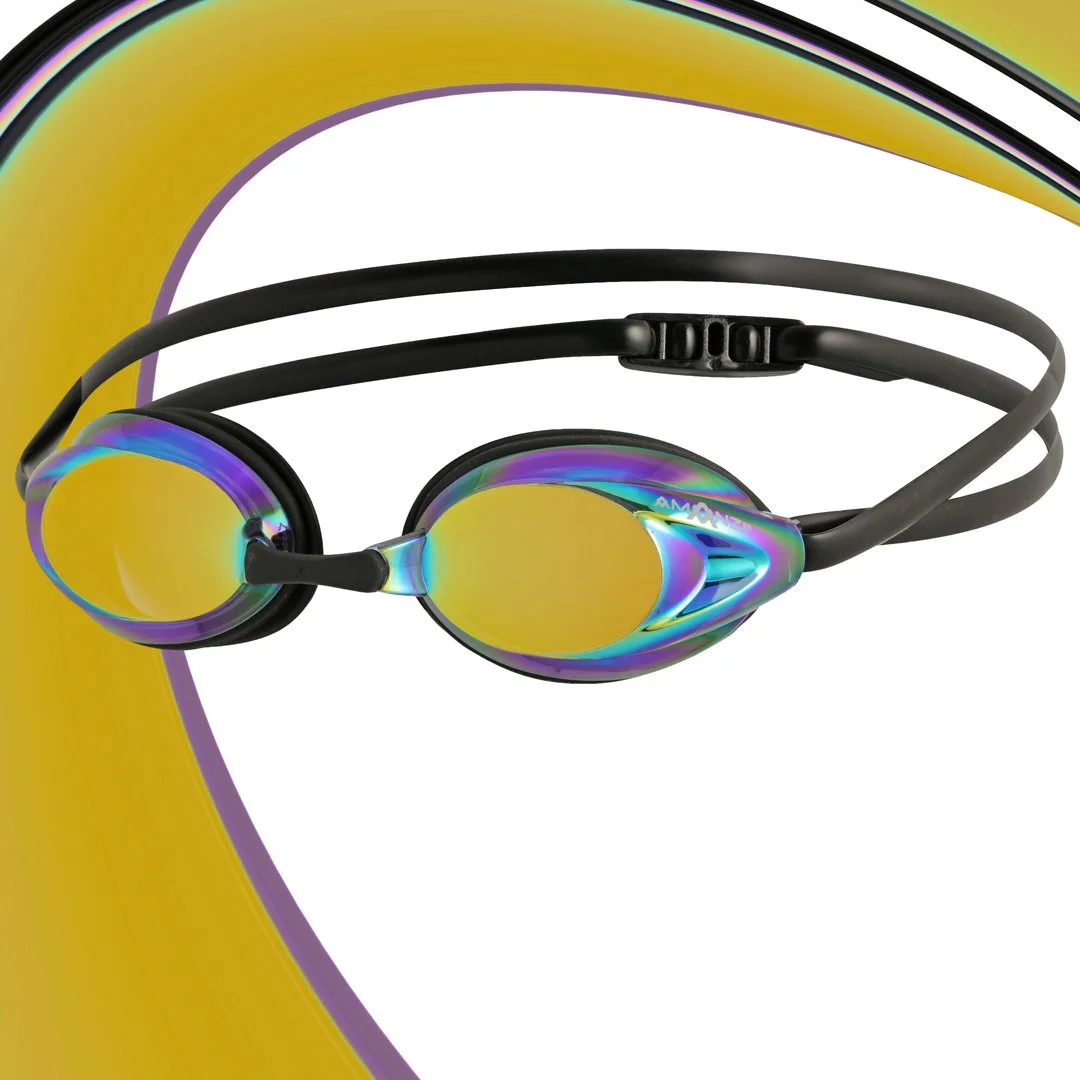
Project Overview
For this product photography project, we worked with AMANZI, a long-standing client specialising in swimwear and swimming accessories.
The shoot included a range of products, but three in particular required a combination of careful studio photography and detailed post-production:
swimming goggles
centre snorkels
swimming fins
Although all three products are designed for swimming, they presented very different photographic challenges.
The goggles combined reflective lenses with flexible silicone straps and several materials that responded differently to light. The snorkels needed to appear as though they were being worn, despite being photographed without a model. The fins were made from natural rubber, which required careful lighting to preserve colour, texture and surface detail.
Each setup therefore needed a different photographic approach.
Photographing Swimming Goggles
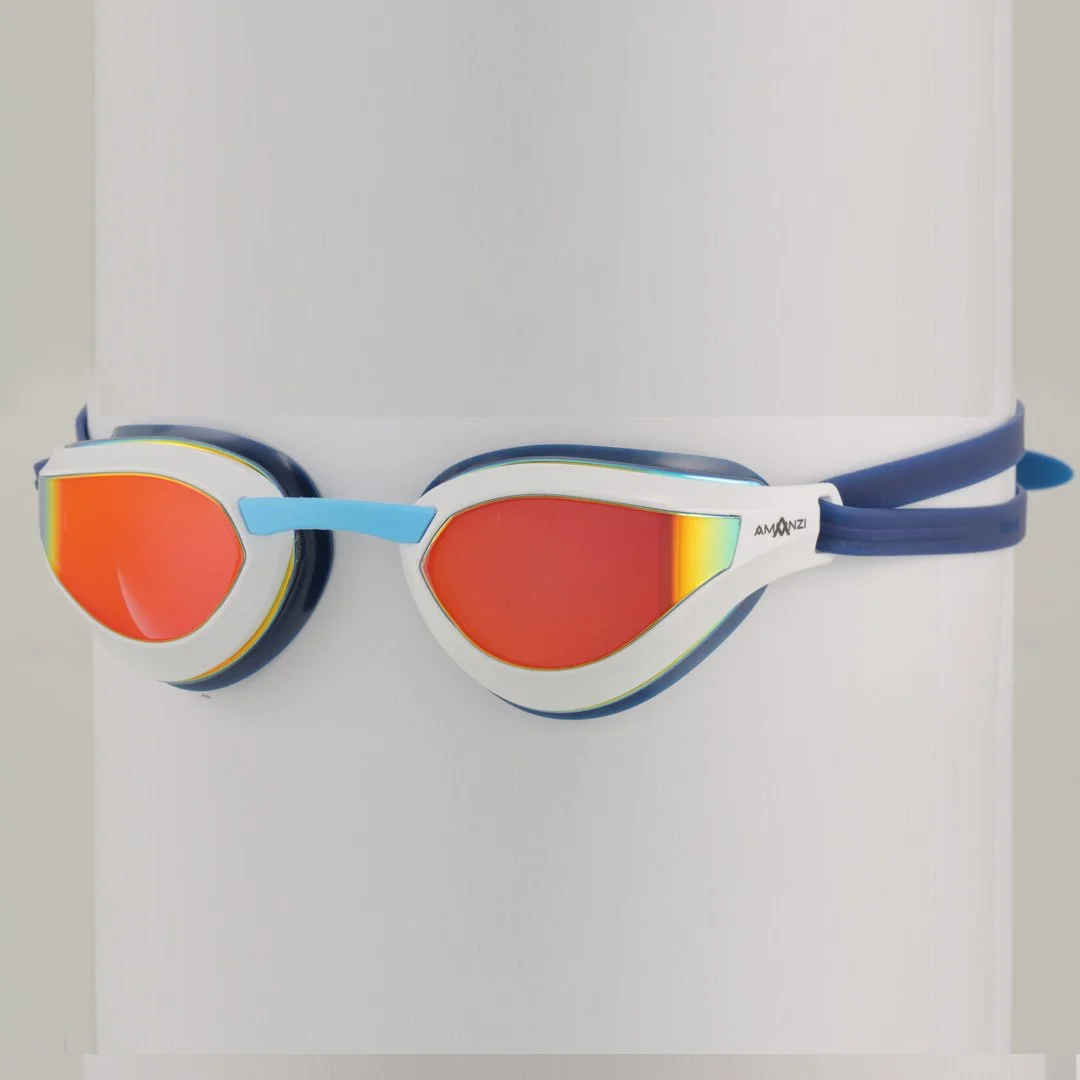
Swimming goggles appear relatively simple, but they can be technically challenging to photograph.
For this product, there were two main issues:
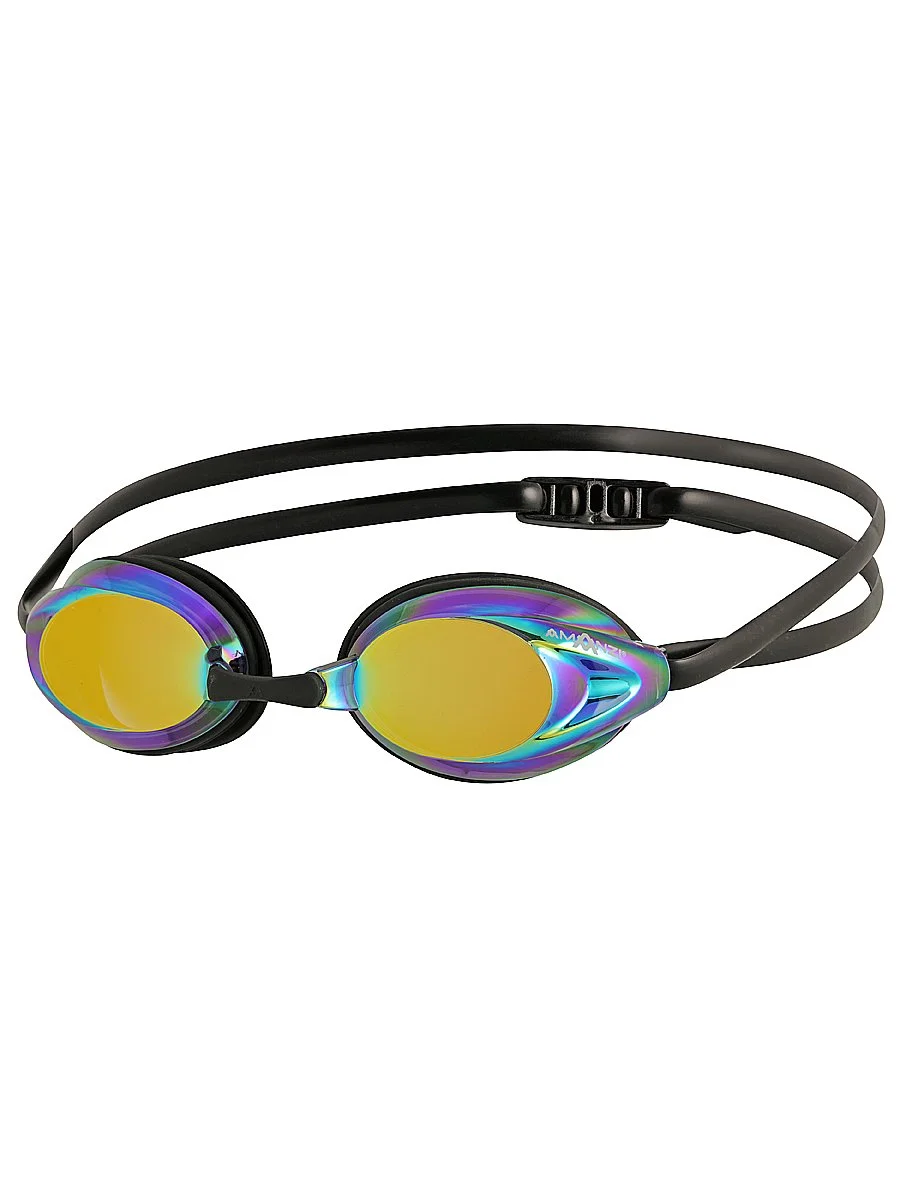
the highly reflective mirrored lenses
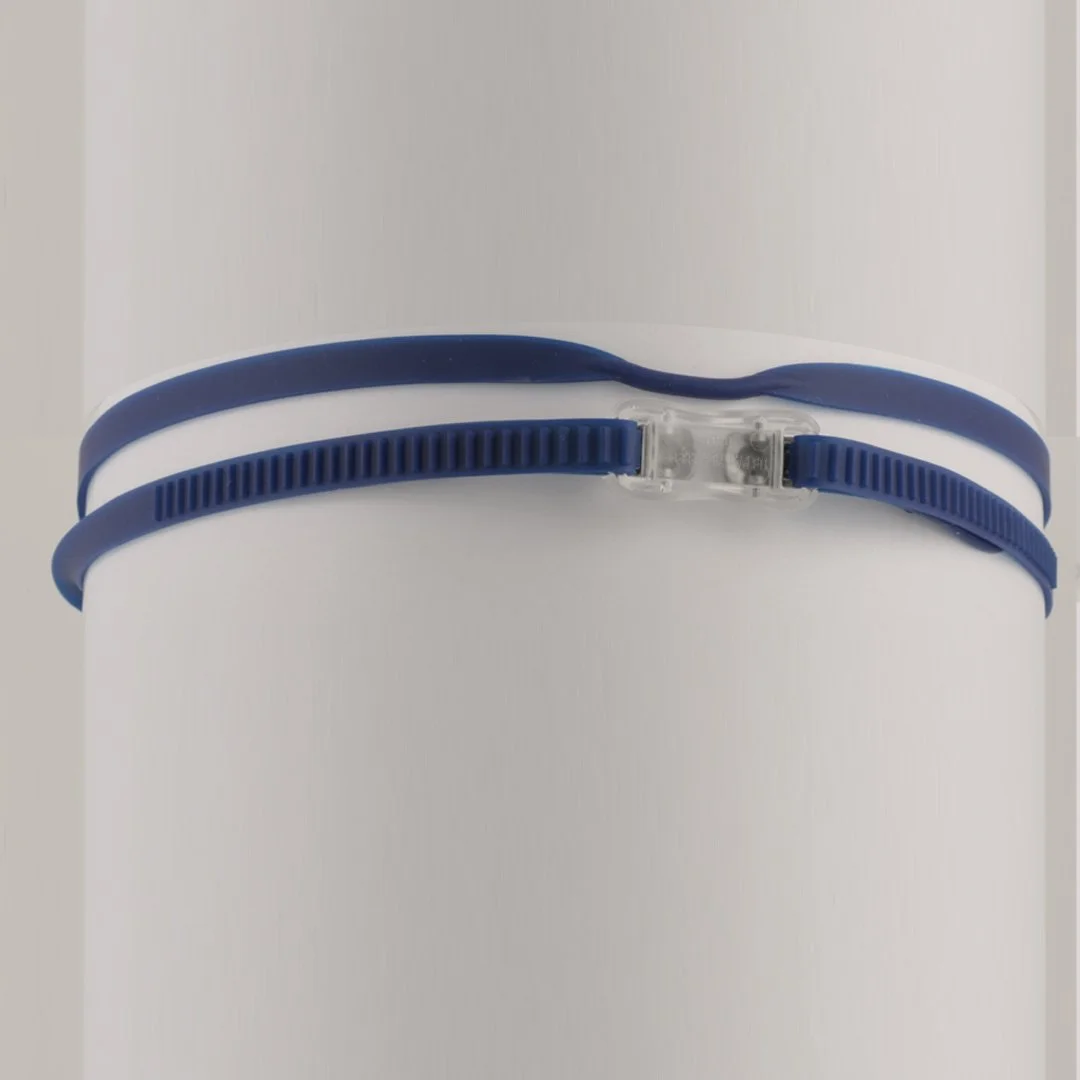
the adjustable dual silicone strap
The client wanted the goggles to appear in a natural shape, similar to how they would look when worn.
That meant the strap could not simply lie flat behind the front of the goggles.
Controlling Reflections in Mirrored Lenses
The mirrored lens was the first major challenge.
Highly reflective surfaces behave almost like small mirrors, which means the camera, studio environment and lighting equipment can easily appear in the lens.
To control this, we used white boards around the product.
These boards helped create clean, controlled reflections across the lenses while preventing the camera and surrounding studio from becoming visible in the finished photograph.
Reflection control is especially important with goggles because even a small unwanted dark shape can become very noticeable across a mirrored lens.
Creating the Shape of the Strap
The silicone strap presented a different problem.
Because it is soft and flexible, it does not naturally hold the rounded shape it would have when worn.
To recreate this shape, we used a cylindrical support to position the strap.
Rather than trying to photograph the entire product in one exposure, we photographed the goggles in separate stages.
One image captured the front section of the goggles, while another captured the strap in the required rounded position.
The two elements were then combined during post-production.
This allowed us to create a natural-looking final shape without relying on visible supports in the finished image.
Lighting Different Materials in One Product
Another challenge was that the goggles were made from several different materials, including:
rigid plastic
rubber
silicone
mirrored lens material
Each surface reflects light differently.
A lighting setup that works well for the lens may create an unwanted highlight on the plastic, while a setup that defines the silicone strap may not give enough detail to the reflective surface.
For this particular setup, we used two lights positioned diagonally across the product:
one towards the front-right side
one towards the back-left side
This gave us enough separation and definition across the different materials while still allowing us to control the reflections in the mirrored lenses.
Photographing the Centre Snorkel
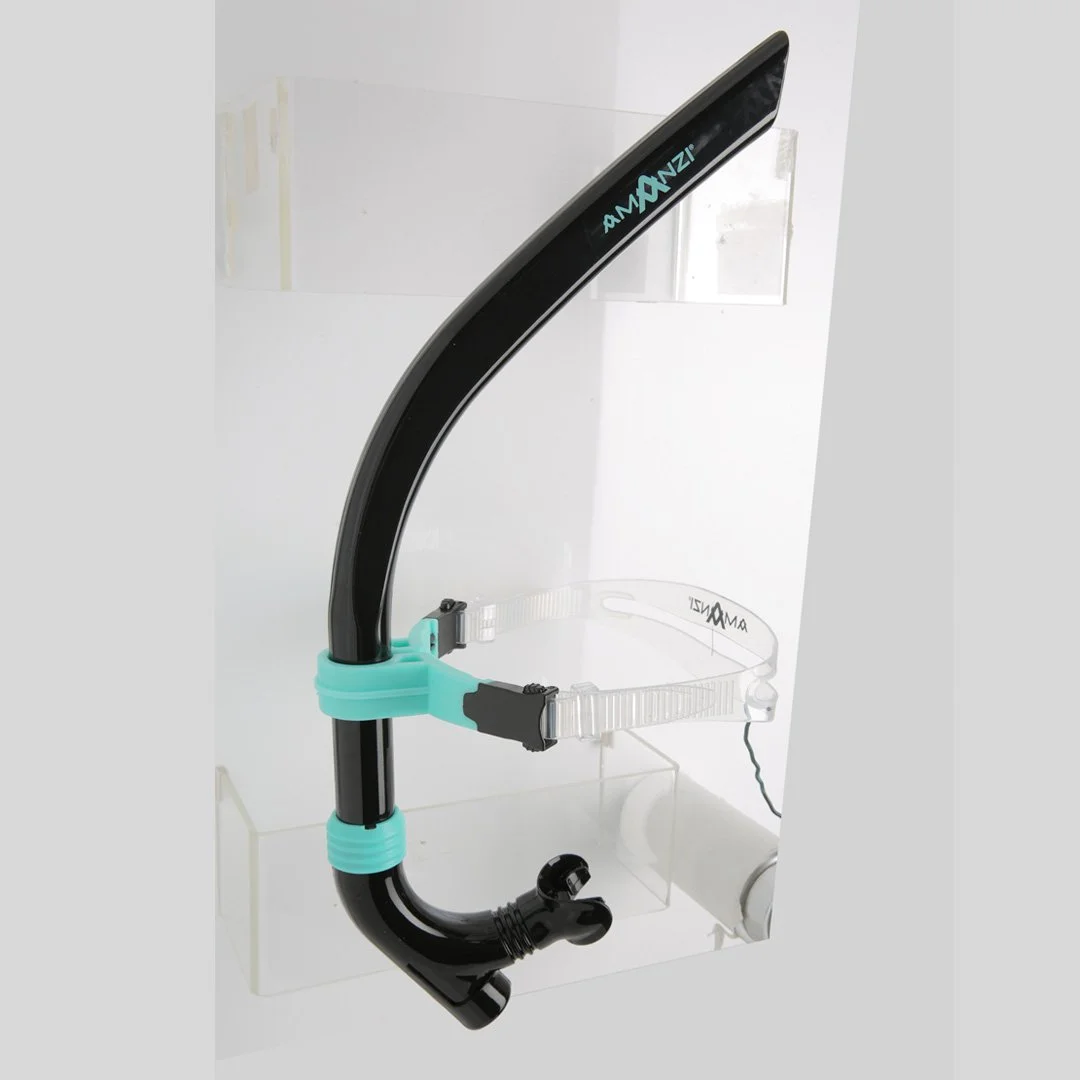
The centre snorkel presented a similar challenge to the goggles.
The client wanted the product to appear in the position it would occupy when worn.
The problem was that the silicone head strap needed to appear suspended rather than simply resting against a surface.
Creating a Suspended Product Shape
To achieve the required presentation, we used several small supports.
Two props held the snorkel away from the surface, while another support positioned the head strap.
A small pin was also used behind the strap to create separation and prevent it from sitting completely flat.
The objective was to create the impression that the snorkel was naturally positioned around a swimmer's head, while keeping the product itself fully visible.
The supports were removed during post-production.
Lighting the Snorkel
For the snorkel, we used a simpler lighting setup consisting of one main light and a large white reflector board.
The reflector returned light back into the darker side of the product and helped maintain detail across the black plastic and transparent strap components.
This setup gave us enough control to define the product without creating unnecessary reflections across the glossy surfaces.
Because the snorkel contains both dark and transparent components, balancing the lighting was important.
Too much light can cause clear plastic to disappear against a light background, while too little can make the black sections lose detail.
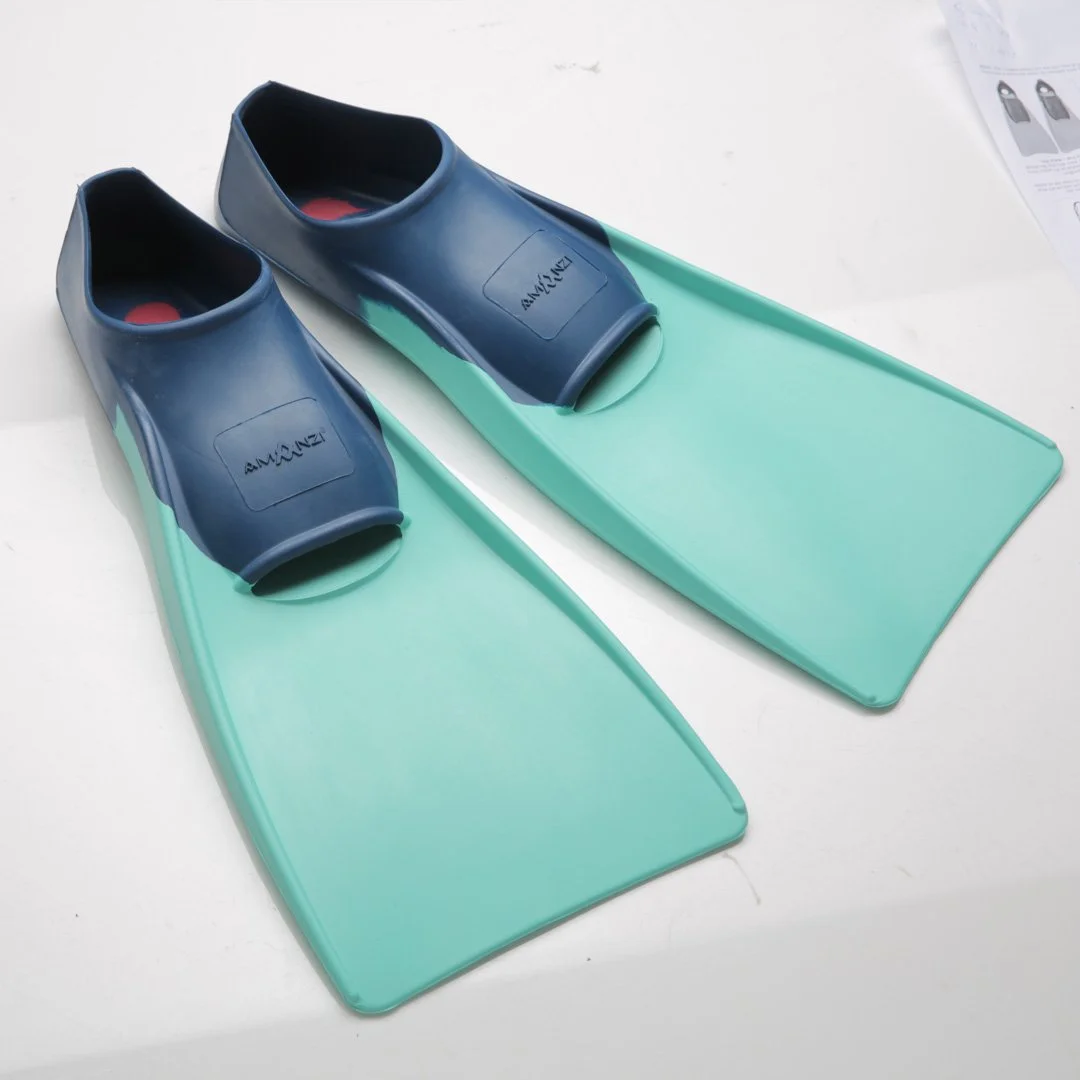
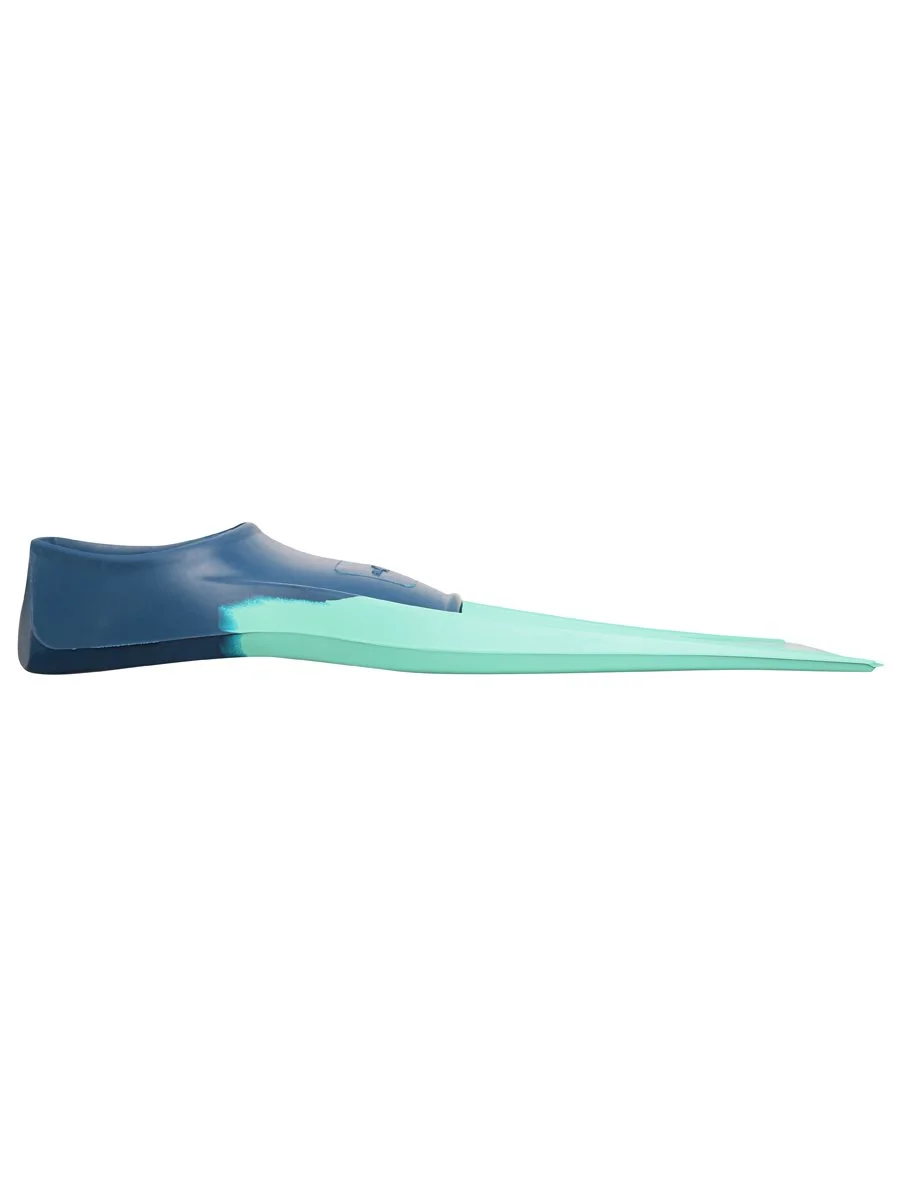
Photographing Natural Rubber Swimming Fins
The fins required a completely different lighting approach.
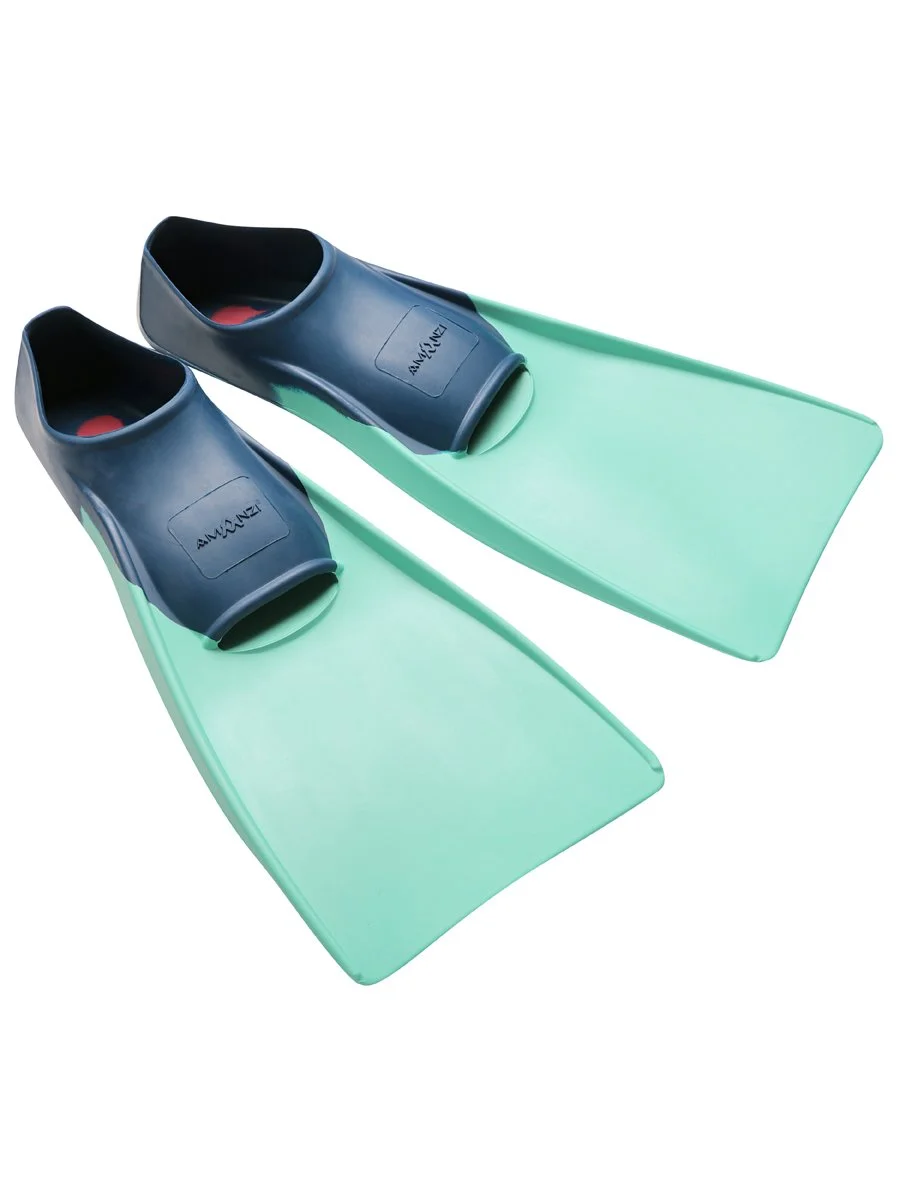
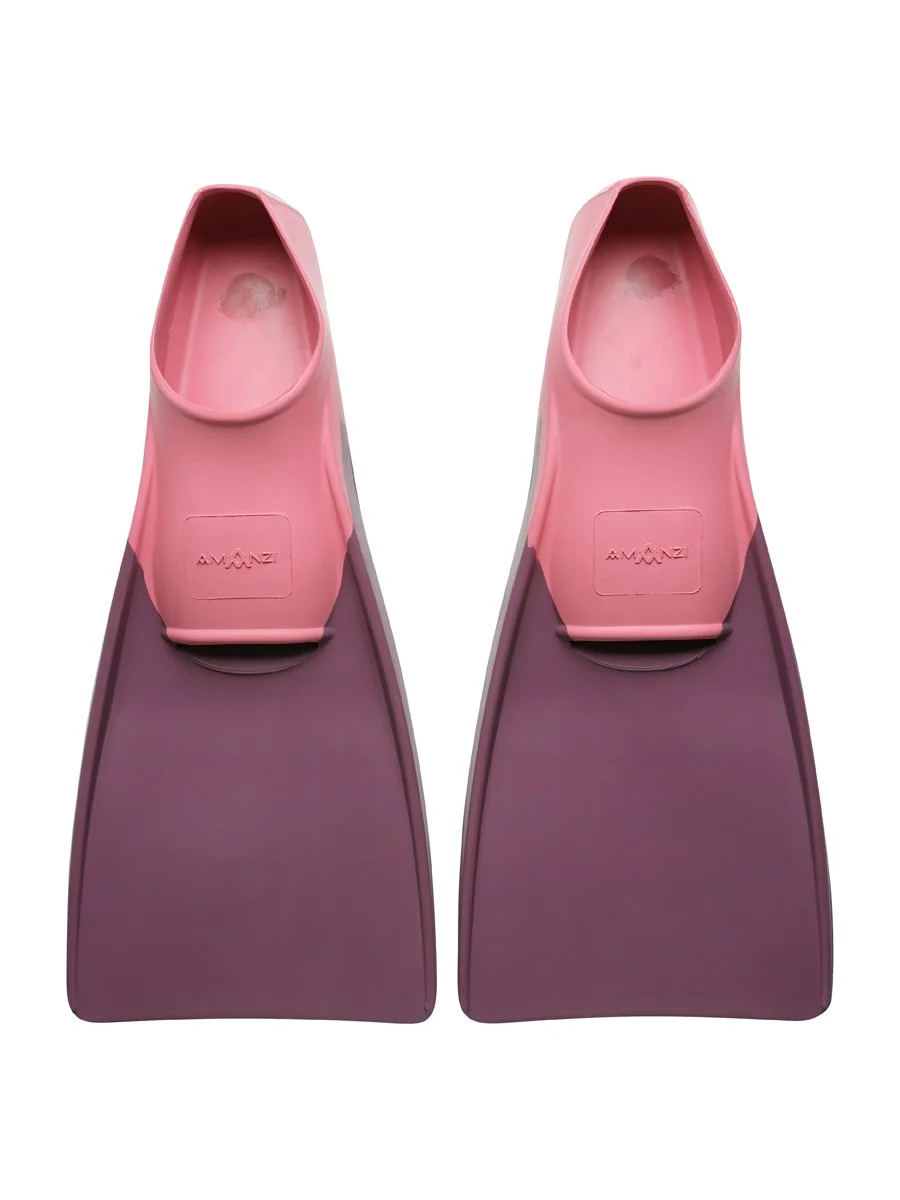
These particular fins are made from natural rubber, which can easily appear washed out or flat if the lighting is too broad or too strong.
The goal was to preserve the colour of the fins while also showing the surface texture and construction clearly.
For this setup, we used a single light.
Using one controlled light source allowed us to shape the illumination more precisely and avoid flattening the appearance of the rubber.
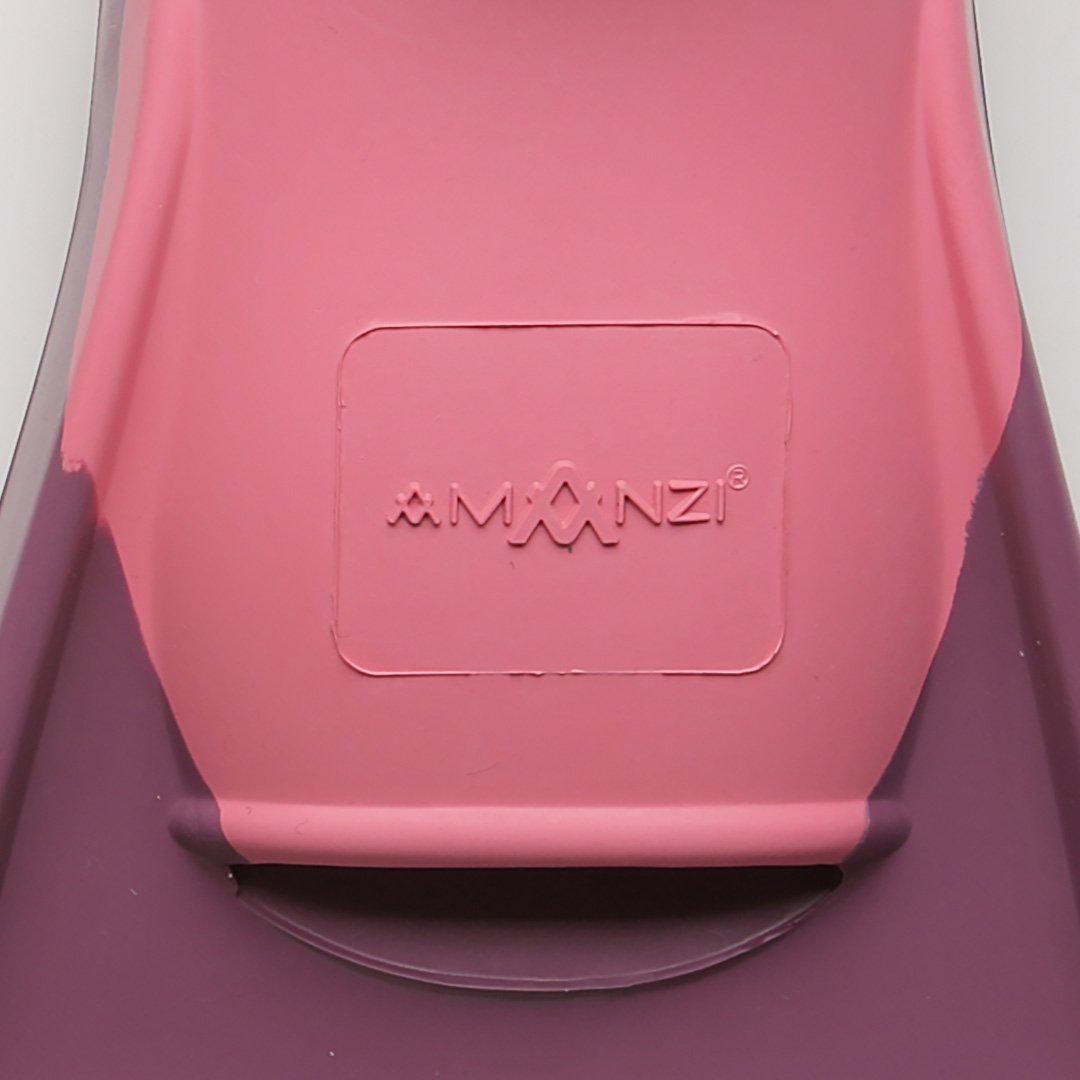
Preserving Colour and Surface Detail
One of the areas we wanted to preserve was the AMANZI logo moulded into the upper section of the fin.
If the light strikes this area too evenly, the raised logo can disappear into the surrounding material.
By adjusting the light direction, we were able to create enough tonal variation for the logo to remain visible without introducing an artificial-looking shadow.
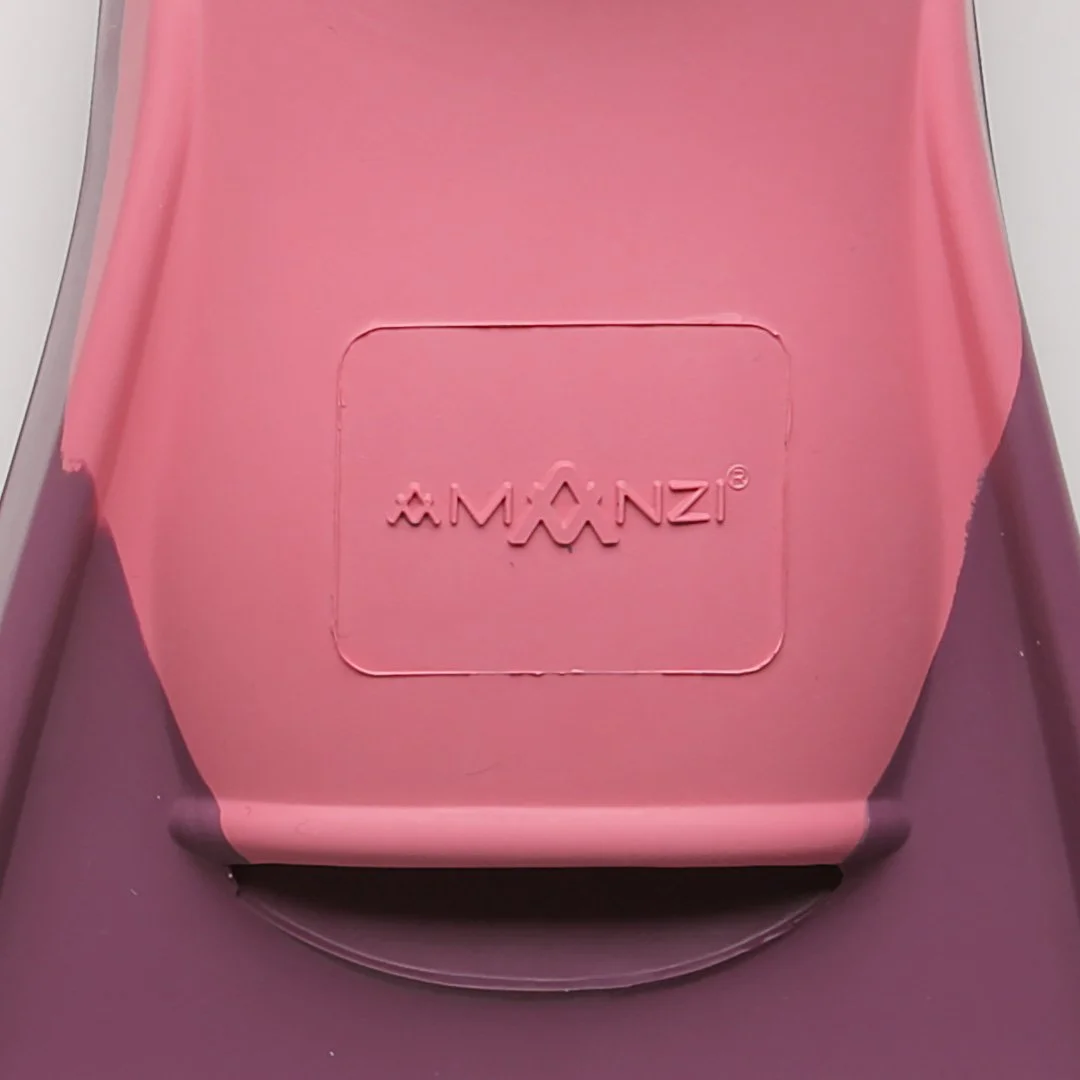
Photographing the Non-Slip Sole
The back of the fins also includes a textured non-slip sole.
This type of detail relies heavily on directional lighting.
If the light is too flat, the texture can become visually compressed and difficult to distinguish.
Using a single directional light helped create subtle highlights and shadows across the pattern, allowing the surface structure to remain visible in the final image.
This is a good example of why product lighting needs to respond to the material rather than following one standard setup for every product.
Post-Production
Post-production played an important role throughout this project.
For the goggles, separate photographs of the front section and silicone strap were combined to create the final presentation.
For the snorkel, the supports and positioning aids used during photography were removed from the finished image.
The images were also reviewed for:
reflections
colour accuracy
product shape
surface detail
dust and small imperfections
consistency between images
The objective of retouching was not to change the product, but to remove the photographic supports and distractions required to create the desired presentation.
The Final Images
The finished images show each product in a clean and controlled presentation while preserving the characteristics of the materials.
The goggles retain the reflective quality of the mirrored lenses without showing the camera or studio.
The silicone straps appear naturally curved, even though they could not hold that position on their own.
The snorkel appears suspended in its intended wearing position without visible supports.
The natural rubber fins retain their colour while showing the moulded logo and non-slip sole texture clearly.





What This Project Demonstrates
This project shows why product photography often requires more than simply placing an object in front of the camera.
Different materials create different technical problems.
Mirrored surfaces require reflection control.
Flexible components may need to be photographed separately or temporarily supported.
Transparent plastic can disappear against bright backgrounds.
Natural rubber can lose its colour and texture under unsuitable lighting.
In some cases, the final photograph is created from more than one exposure because the product cannot physically hold the required shape during a single shot.
The photography and post-production therefore need to be planned together from the beginning.
For this AMANZI project, each product required a different combination of lighting, positioning and retouching to create a clean result while keeping the product itself accurately represented.
Product Photography at Nikita Photography Studios
Nikita Photography Studios provides professional product photography for Australian brands, retailers and eCommerce businesses.
Our Sydney studio photographs products made from a wide range of materials, including plastic, glass, metal, rubber, silicone and reflective surfaces.
From straightforward eCommerce packshots to technically challenging products requiring custom supports, reflection control or compositing, each setup is developed around the product itself.